France Reconsiders Air Conditioning Policy as Record Temperatures Drive Energy Demands
France is grappling with a significant policy shift regarding air conditioning, prompted by unprecedented heatwaves driving up demand for cooling. Historically, French policy has discouraged widespread air conditioning use due to environmental impact and concerns over energy consumption. Public buildings, including many schools, have often lacked such systems, reflecting a broader cultural and policy position.
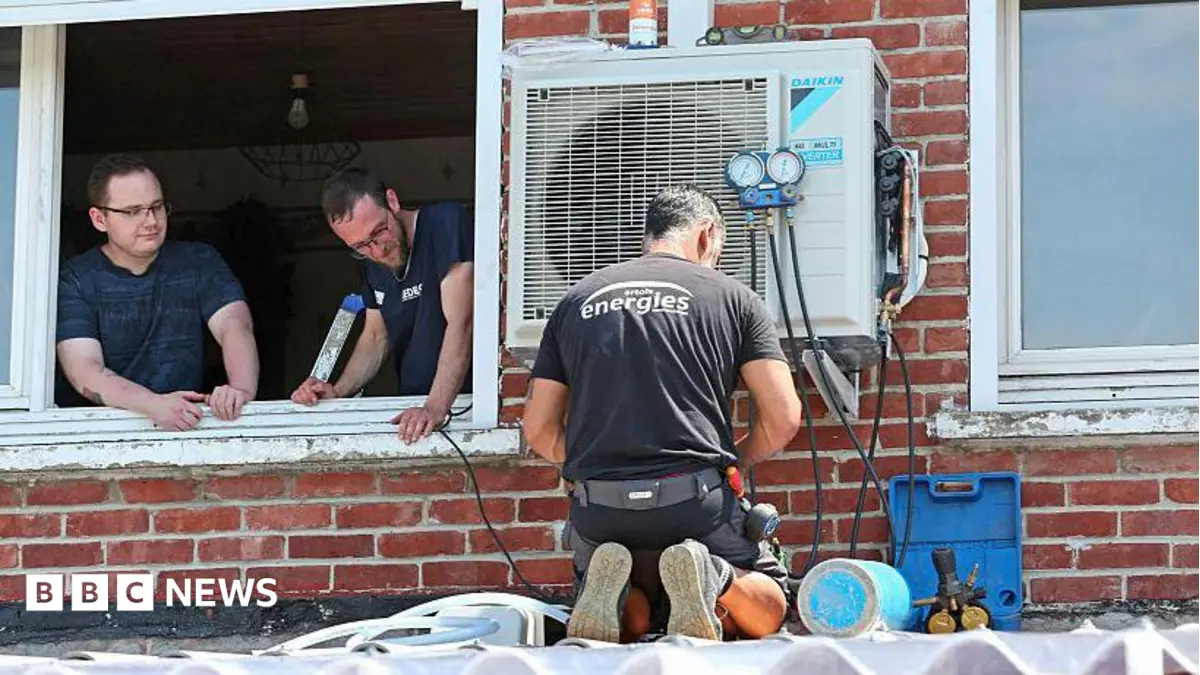
However, record temperatures have intensified public pressure for accessible cooling. Data indicates a substantial rise in air conditioning sales, particularly for residential use, transforming a once niche product into a perceived necessity. This trend places considerable strain on the national power grid, with peak electricity demand increasingly linked to cooling requirements during summer months.
The current situation forces a critical re-evaluation of national energy strategies and urban infrastructure. Government officials and urban planners are now confronted with the challenge of balancing climate goals and energy efficiency with the immediate health and comfort needs of the population. The debate extends to city planning, including the role of green spaces and architectural design in mitigating urban heat island effects, as traditional resistance to air conditioning wanes in the face of a warming climate.