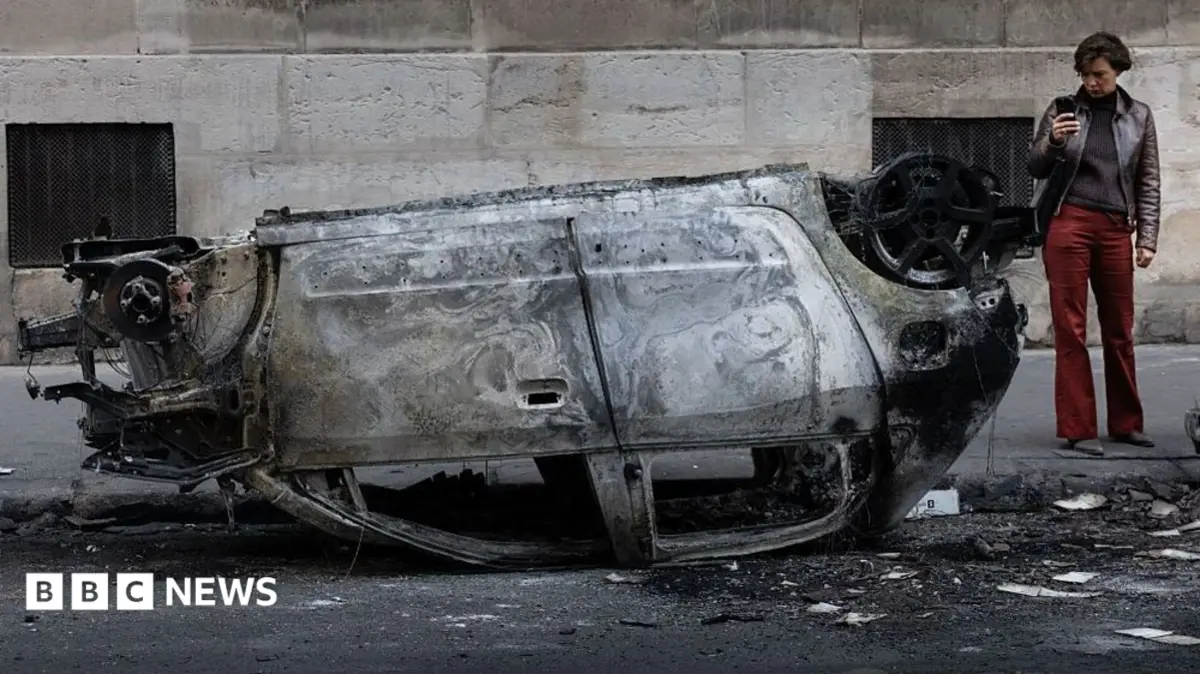
French Officials Blame Systemic Issues, Police Actions for Widespread Urban Unrest
France remains sharply divided in its assessment of the recent urban unrest that gripped cities nationwide. While some officials and commentators attribute the upheaval to endemic issues such as racial discrimination, economic marginalisation, and inadequate integration of minority communities, others focus on alleged failures of parental authority and the actions of a minority of individuals.
Institutional Critiques Emerge
International bodies and human rights organisations have frequently highlighted the socio-economic conditions within France's diverse suburbs, often characterised by high unemployment and perceived institutional racism. Critics argue that these areas, frequently populated by citizens of North African and sub-Saharan African descent, experience disproportionate scrutiny and heavy-handed tactics from law enforcement.
The role of policing has been a central point of contention. Documented instances of excessive force and a perceived culture of impunity within the French police force have drawn condemnation from the United Nations and numerous non-governmental organisations. These critiques often cite the disproportionate impact of police actions on minority youth, fuelling cycles of distrust and resentment.
Political Discourse and Underlying Factors
President Emmanuel Macron's government initially attributed the unrest to 'organised groups' and online incitement, yet this framing has faced significant scepticism. Deeper analyses suggest that French policy, which often shies away from acknowledging racial disparities, inadvertently exacerbates social fractures. The secularist model, while officially promoting equality, has been criticised for sometimes failing to address the specific challenges faced by minority populations.
The cycle of unrest and governmental response frequently re-emphasises underlying tensions, with the state often prioritising order over a substantive re-evaluation of its social and economic policies impacting marginalised communities. This approach tends to overlook the material conditions and long-standing grievances that continue to animate such widespread public dissent.