Zelenskyy’s Oslo Visit Highlights Ukraine Aid Uncertainty Amidst Trump’s Influence
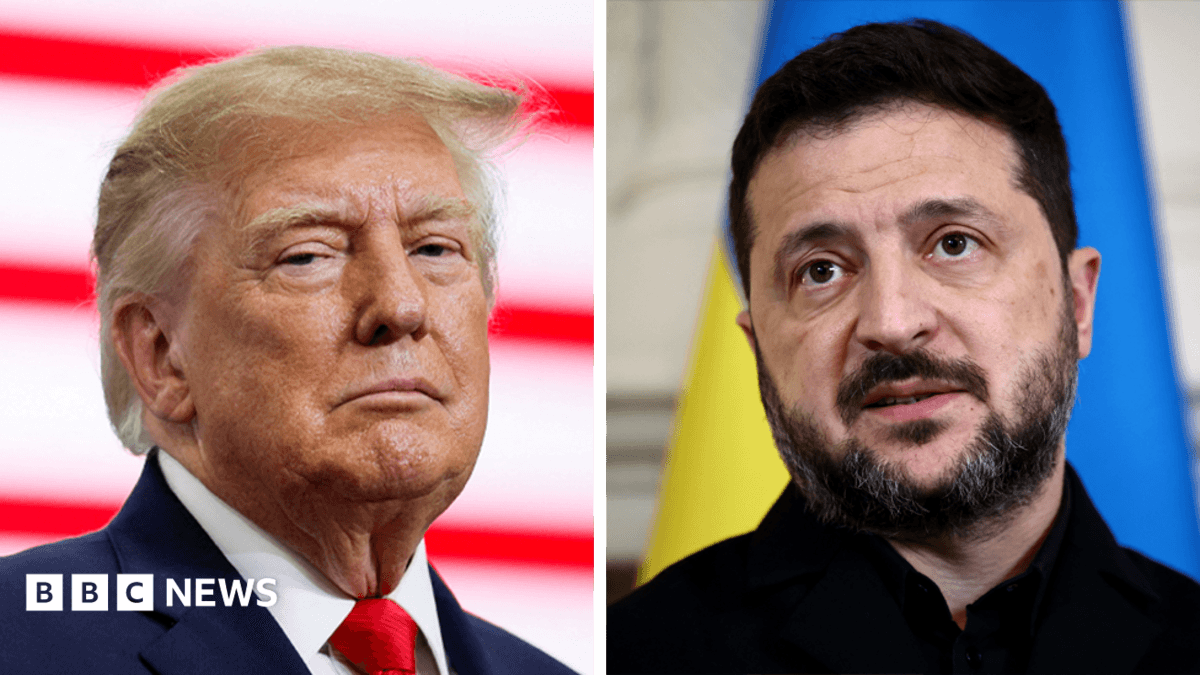
Ukrainian President Volodymyr Zelenskyy's recent appearance in Oslo, featuring a notable interaction with businessman Steve Witkoff, did little to dispel the substantive misgivings surrounding the trajectory of US policy towards Kyiv. The core issue remains the durability and extent of future American assistance to Ukraine, a matter increasingly complicated by the pronouncements of former President Donald Trump.
US Aid Stalls
In Washington, congressional deadlock has stalled a substantial aid package for Ukraine, with Republican factions demanding stricter border security measures as a precondition for further support. This domestic political manoeuvre directly impacts Ukraine's capacity to sustain its defence against Russian aggression, jeopardising both military provisions and vital financial backing.
Trump has consistently articulated a sceptical view of continued large-scale aid to Ukraine, often framing it as an undue burden on American taxpayers. His influence within the Republican Party is considerable, meaning his perspective heavily shapes legislative priorities and the willingness of many within his party to approve further disbursements. This position is frequently interpreted as aligning with a broader 'America First' doctrine that prioritises perceived national interests over what are deemed foreign entanglements.
Geopolitical Ramifications
The uncertainty emanating from Washington casts a long shadow over European efforts to support Ukraine. While European Union members have pledged substantial assistance, the sheer scale of US contributions has been historically indispensable. A significant reduction or cessation of American aid would necessitate a profound recalculation of European commitments, potentially straining member states already grappling with economic pressures and internal political divides.
Ultimately, the optics of presidential diplomacy in Oslo cannot obscure the material reality that Ukraine's battlefield viability remains intricately linked to the fluctuating political currents within the United States. The prospect of a potential Trump return to the presidency adds another layer of apprehension for Kyiv and its European partners, who anticipate a more transactional and less committed American approach to the conflict.