Germany Exits Joint Fighter Jet Programme, Leaving Franco-German Defence Project Unfinished
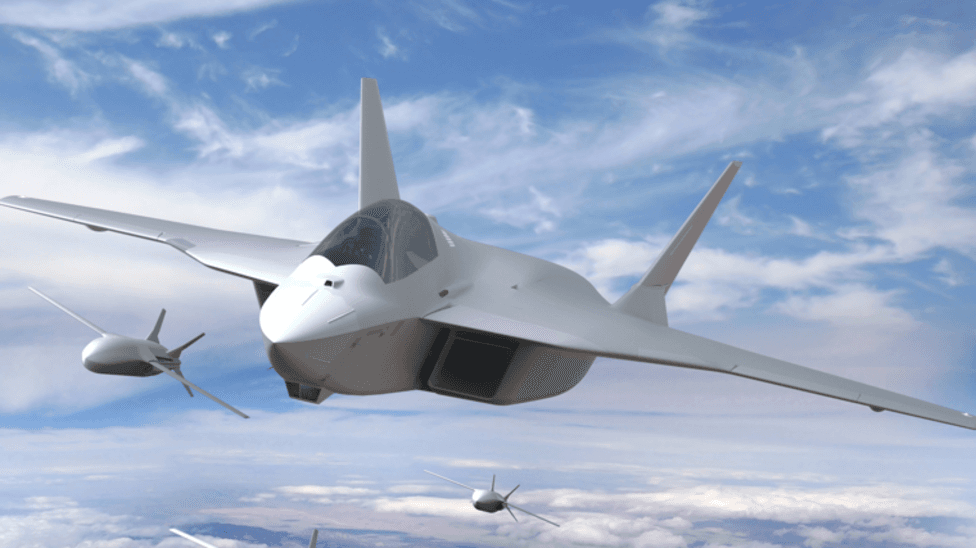
Germany has unilaterally terminated its involvement in the joint Franco-German Future Combat Air System (FCAS) fighter jet programme, delivering a substantial blow to aspirations for deepened European defence integration. This highly anticipated project, once heralded as an unparalleled military partnership, has instead become a stark illustration of persistent disagreements between the two leading European powers.
The decision severely undermines the European Union's stated ambition to project strategic autonomy and common purpose on the global stage. This development occurs amidst increasingly strained relations with the United States and the ongoing conflict in Ukraine, both factors that ostensibly underscored the urgency of enhanced European defence capabilities.
First conceived in 2017 by then-Chancellor Angela Merkel and President Emmanuel Macron, the FCAS was intended to reset Franco-German relations and pool financial resources for defence expenditure. President Macron had long championed the notion of European defence self-reliance to lessen dependence on potentially unreliable external partners, particularly the USA.
Industry disputes between France's Dassault Aviation and Airbus, representing Germany and Spain, proved insurmountable. Disagreements centred on project control and work allocation. While German officials claim 'core' aspects of FCAS, beyond the fighter jet, will continue, the precise implications remain unclear. Defence analyst Christoph Bergs noted that France sought a smaller jet for its Charles de Gaulle aircraft carrier, while Germany preferred a larger aircraft for 'air superiority'.
Germany's significant increase in defence spending since Russia's 2022 invasion of Ukraine has also emboldened its industry, making it less inclined to accept concessions. Last week, German Chancellor Friedrich Merz and President Macron discussed the programme, leading to Berlin's subsequent announcement that the involved companies could not reach an agreement. The Élysée Palace later expressed 'regrets', reaffirming the importance of Franco-German defence cooperation despite the project's failure.