Glasgow Auction House Withdraws Human Remains Sale After Expert Condemnation
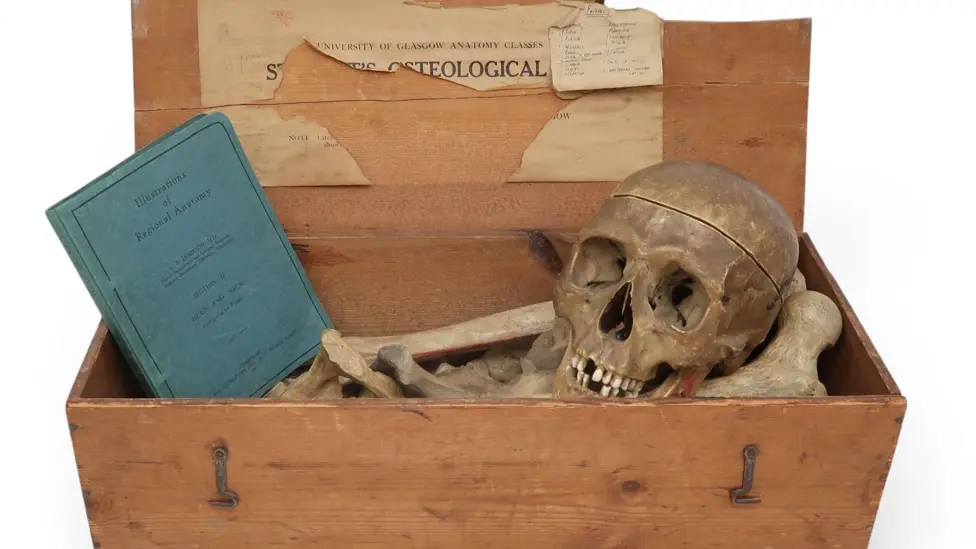
A Glasgow auction house, Great Western Auctions, has withdrawn a lot offering human remains for sale after biological anthropology experts condemned the practice as “unethical and unacceptable”. The item, which included a human skull, was due to go under the hammer but was pulled from the auction catalogue.
Dr Lauren McIntyre of the British Association for Biological Anthropology and Osteoarchaeology stated that the commercial trade in human remains “robs the deceased of their dignity”. She highlighted that most anatomical specimens originate from 20th-century mass exports from countries such as India and China, where consent for such use was often absent. India banned the export of human skeletons in 1985 due to fears of grave robbing and murder, with China following suit in 2008, suggesting many items on the market may be of recent provenance.
Professor Gordon Findlater, HM’s Inspector of Anatomy, noted that while it is not illegal to sell human remains in the UK if not acquired unlawfully or for transplant, the ethical implications are significant. He explained that if the bones were from a donated body, their commercial sale would breach the current Code of Practice for Anatomical Examination in Scotland, which prohibits financial profit from bodies donated for medical science.
Journalist Patrick Pester, who has extensively covered the trade, described such auctions as “the tip of a grisly iceberg”. He called for a national conversation on the sale of human remains, much of which occurs on social media, driven by collectors with diverse interests ranging from the macabre and medical history to ritualistic use. Pester characterised current regulations as akin to the “Wild West”.
The company, co-founded by television presenter Anita Manning, simply stated, “The lot has been withdrawn.” In 2024, Labour MP Bell Ribeiro-Addy advocated for an end to the sale of human remains, pointing out that the Human Tissue Act only covers commercial dealings in the context of medical transplantation and generally excludes remains over 100 years old.