Government Rejects Thames Water Rescue Package, Bringing Nationalisation Closer for 16 Million Customers
Environment Secretary Emma Reynolds wrote to industry regulator Ofwat on Monday, expressing significant reservations about the financing package put forward by Thames Water's creditors. Reynolds highlighted that the deal, intended to address the company's near £20bn debt, fails to adequately protect consumers or the environment.
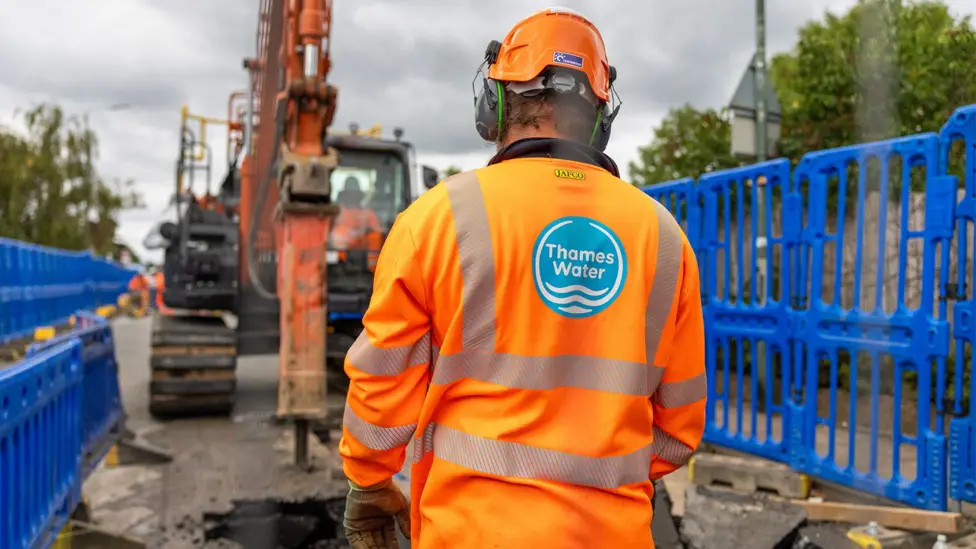
Thames Water, which supplies London and parts of Southern England, has faced intense scrutiny for its performance, including widespread sewage discharges and pipe leaks. Last May, Ofwat issued a record £122.7m fine against the company for sewage breaches and shareholder payouts.
London & Valley Water (L&VW), a consortium of lenders, had proposed writing off £9.4bn of debt and injecting £3.35bn in new capital, alongside a new £6.55bn debt facility, conditional on leniency regarding future pollution penalties. L&VW asserted their plan represented the "fastest route" to improving the firm's operations and financial health without taxpayer funds.
However, Reynolds stated on Tuesday that the government would not allow Thames Water customers to "pick up the bill for the company's failures." She detailed "three particular concerns": the "unfair cost to customers," "delays to vital infrastructure investments," and "delays to environmental improvements." Reynolds added that the government "stands ready for all eventualities," including a temporary nationalisation known as a special administration regime (SAR).
L&VW maintained their proposal was a "long-term solution that recognises the full extent of Thames Water's problems," arguing that a SAR would only delay necessary fixes. Ofwat's decision on the rescue package is anticipated this summer, with the regulator confirming it is reviewing the Secretary of State's comments.
Should a rescue deal fail, Thames Water is projected to exhaust its cash reserves within months. A SAR would allow government-appointed managers to run the company, potentially writing off losses and restructuring its debt before a re-sale.