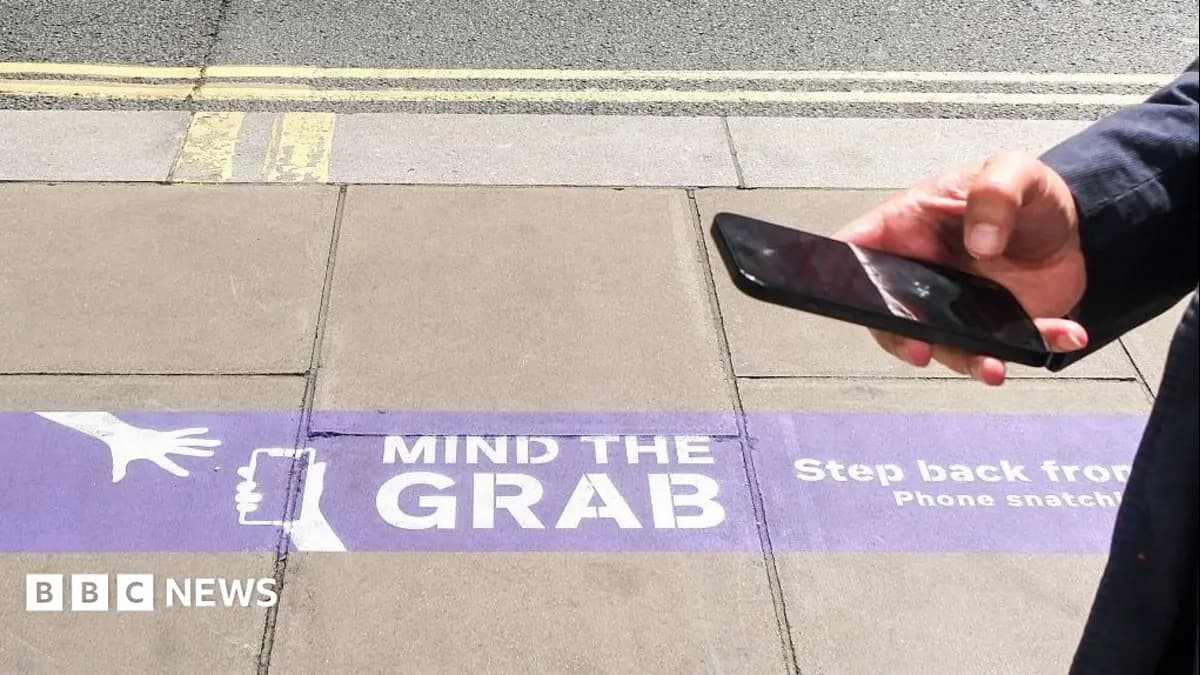
Chicago Residents Petition City Council for Autonomous Delivery Robot Ban on Sidewalks
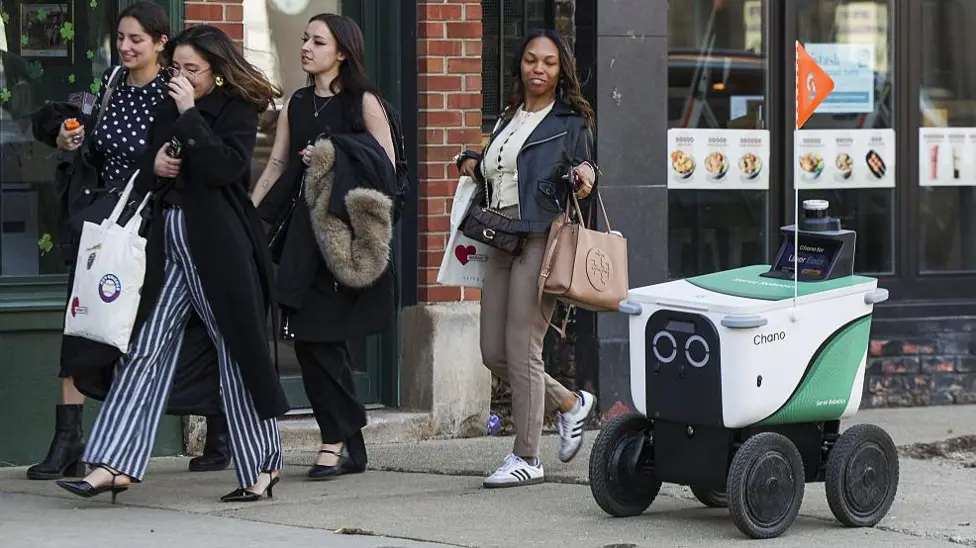
Residents in Chicago are demanding a city-wide suspension of autonomous delivery robots, citing incidents of pedestrians being forced into streets and reports of collisions. John Roberts, a Chicago resident, initiated a petition for a ban and comprehensive safety testing, which has garnered approximately 4,400 signatures.
These autonomous urban delivery vehicles, utilising cameras, sensors, and GPS for navigation, have appeared on pavements in several countries, including the UK, Japan, South Korea, Germany, and across the US. While operators claim the robots enhance service efficiency and reduce emissions, local authorities and the public in some areas remain unconvinced.
Regulatory Clampdown on Robot Deployments
San Francisco has restricted the robots to less-frequented areas, and Toronto implemented a ban on sidewalk usage in 2021. Chicago has also prohibited the machines from two smaller zones within the city.
Reports indicate robots causing traffic issues and obstructing emergency vehicles. A councillor in Glendale, California, Ardy Kassakhian, noted the robots appeared without warning, leading the local council to consider a temporary ban. Kassakhian highlighted narrow sidewalks and witnessed 'stand-offs' between robots and elderly residents, alongside broken-down units causing obstructions.
In the UK, where trials are underway, instances of vandalism against Uber Eats robots have been reported in Sheffield. Starship Technologies, a prominent operator, maintains the robots are safe and polite, programmed for careful navigation.
Job Displacement and Economic Concerns
Beyond safety, concerns over job displacement are emerging. The Independent Workers Union of Great Britain (IWGB), representing delivery drivers, expressed fears to the government that widespread robot deployment could severely impact precarious workers, particularly in London. Alex Marshall, IWGB president, stated such a development would mean 'whole communities…would really suffer' and necessitate calls for a ban.
Despite these growing objections, analysts, such as those at Transforma Insight, predict a substantial increase in autonomous delivery robots, projecting 2.1 million in operation globally by 2034. Currently, regulatory approaches vary, with countries like South Korea and Japan adopting more liberal policies.