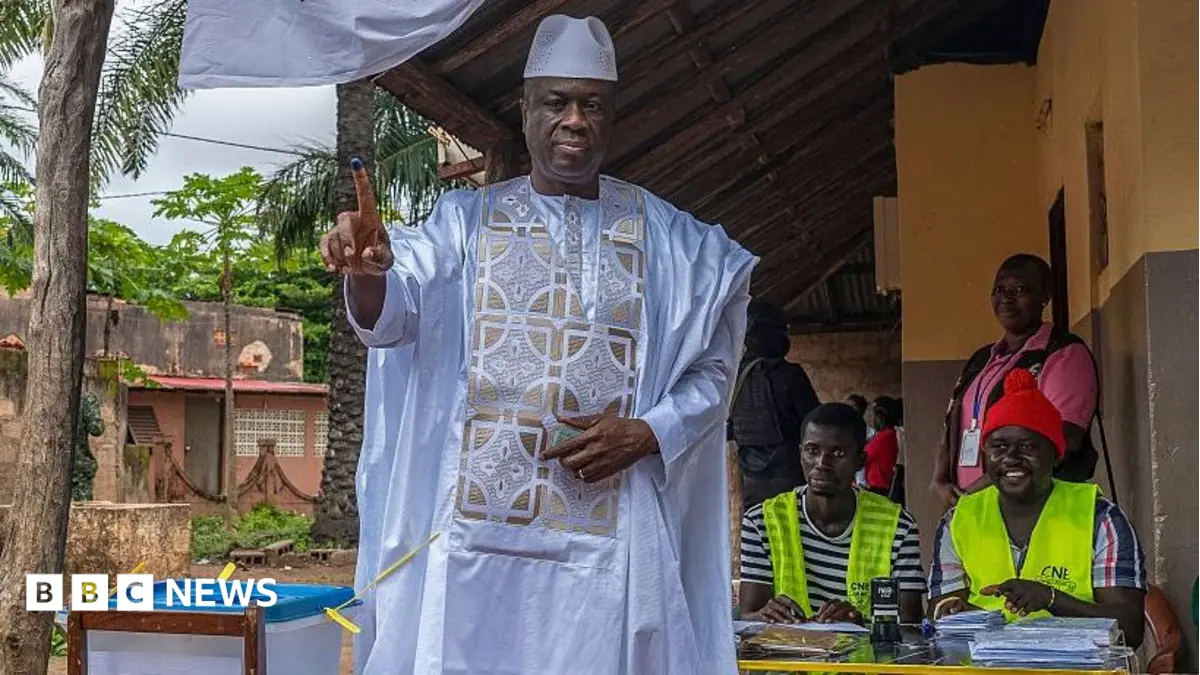
Guinea-Bissau Referendum Expands Presidential Powers, Follows Last Year's Coup
Guinea-Bissau citizens have voted to approve a new constitution, which grants the nation's president substantially expanded powers. The referendum saw 92% of voters back the changes, which critics contend centralise power, diminishing the role of the prime minister and reinforcing an already unstable political landscape.
The reforms emerge in the aftermath of the 2012 military coup, an event that derailed a presidential election and saw the military assume control. General Antonio Indjai, the coup leader, has since been implicated in drug trafficking by the US Justice Department, highlighting the pervasive influence of illicit trade within the country's political-military nexus.
Western powers and regional organisations, including the Economic Community of West African States (ECOWAS), have exerted pressure for a return to constitutional order. However, the approved changes, particularly the enhanced presidential authority, raise questions about the efficacy and genuine democratic intent of this transition. Elections are anticipated in April, yet the consolidation of power through this new constitution suggests a continuing struggle for authentic civilian rule against a backdrop of entrenched interests.