Heatwave Unearths Blenheim Palace Gardens, Roman Villa Traces Across Southern England
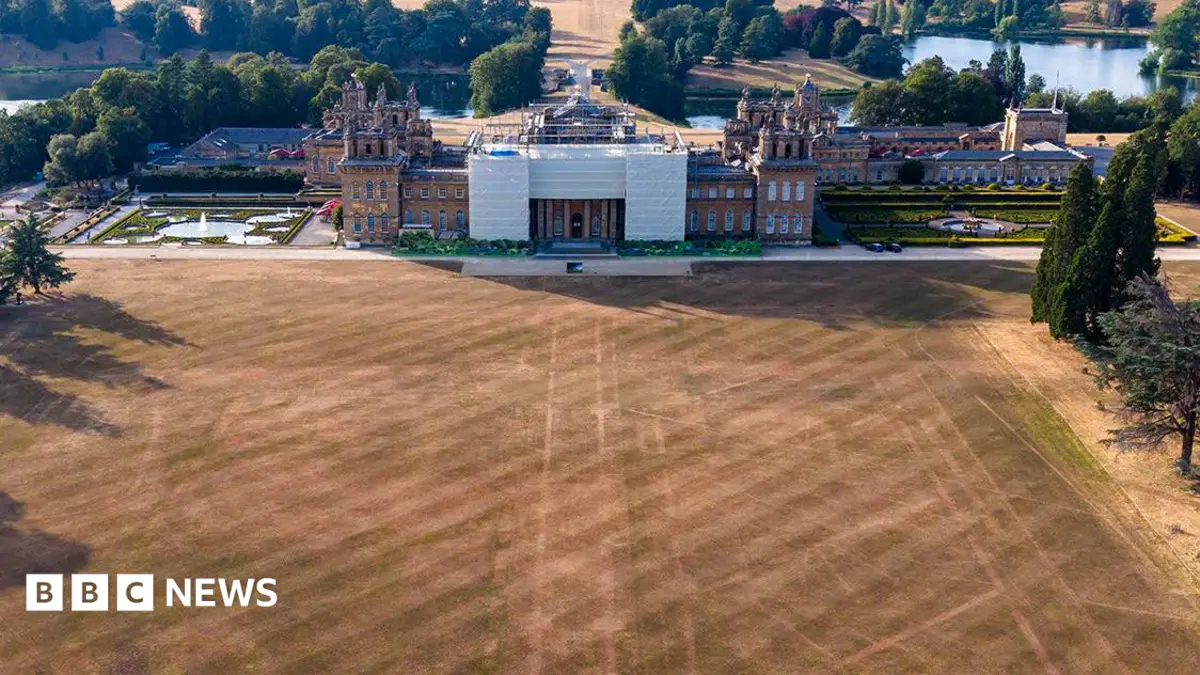
Persistent dry conditions across southern England have rendered visible numerous archaeological anomalies, previously concealed beneath the landscape. The phenomenon, known as "parch marks", occurs when sub-surface structures impede water absorption, causing vegetation above them to wither and discolour more rapidly than surrounding areas.
Blenheim Palace Reveals Forgotten Landscape
At Blenheim Palace in Oxfordshire, the recent heatwave has unveiled a forgotten network of paths within its formal gardens. These intricate designs, attributed to George London and Henry Wise, were a feature of the estate before Capability Brown's 18th-century landscaping transformed the grounds into their present, more naturalistic form. Estate officials have confirmed that the extreme weather has made these historical layouts discernable once again, offering a rare glimpse into earlier design principles.
Roman Villa Traces Emerge in Wiltshire
Further west, in Wiltshire, aerial surveys have identified the clear outline of a previously unrecorded Roman villa. The discovery, made possible by the distinct parch marks across what appears to be a large agricultural field, indicates significant buried architecture. Local archaeologists are now assessing the site, noting the potential for further detailed excavation, should funding and logistical support materialise. These instances underscore how prolonged environmental stresses can inadvertently aid archaeological exploration, providing new data on historical land use and settlement patterns.