Icelanders Divided on EU Accession Talks as Referendum Count Nears Conclusion
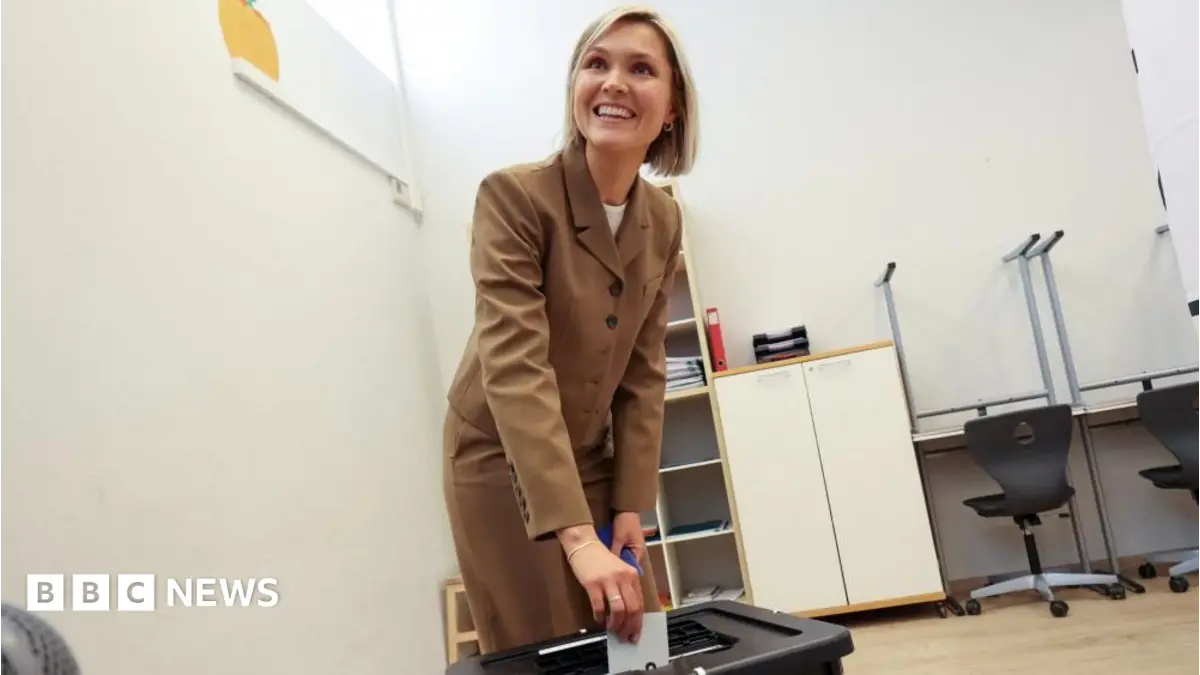
Voters in Iceland have participated in a national referendum to determine whether the country should resume formal accession talks with the European Union. As the ballot count progresses, the results reveal a deeply divided electorate, with neither the 'yes' nor the 'no' campaign establishing a decisive lead.
The question put to the populace asks if negotiations, which were paused indefinitely in 2013, ought to be reactivated. Early returns suggest a margin of just a few thousand votes separates the two sides, making the final outcome uncertain until all ballots are tallied.
Proponents for rejoining the EU cite potential economic benefits, enhanced political stability, and a stronger voice within European affairs. Conversely, opponents raise concerns over national sovereignty, the impact on Iceland's vital fishing industry, and the potential loss of control over natural resources, echoing historical anxieties about external influence.
A significant portion of the opposition also stems from a deeply ingrained scepticism regarding the EU's Common Fisheries Policy, which many Icelanders fear could undermine their primary economic sector. The initial application for EU membership was lodged in 2009, following the country's severe financial crisis.