India Considers Release for Man Who Burned Missionary Graham Staines and Two Sons Alive
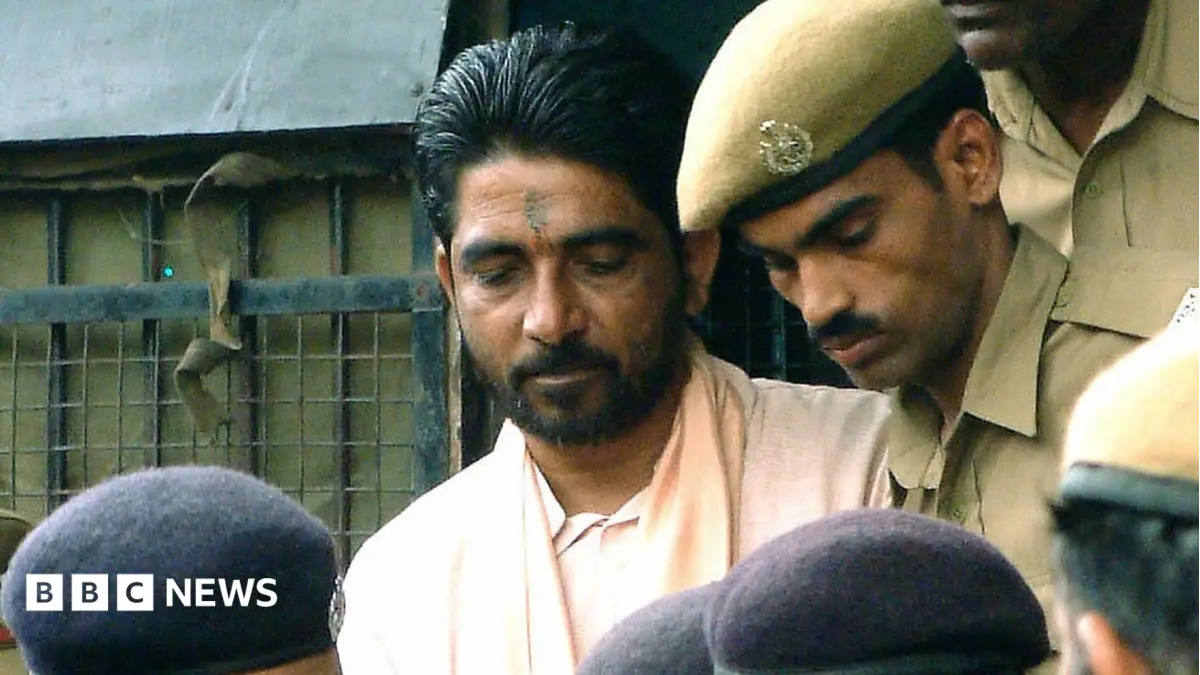
India’s Supreme Court is deliberating a petition for the early release of Dara Singh, the man convicted for the heinous 1999 murders of Australian missionary Graham Staines and his two sons, Philip, aged 10, and Timothy, aged six.
Singh, who led a Hindu extremist mob that set fire to the Staines' vehicle as they slept in it in Manoharpur village, Odisha, has served 24 years of his life sentence. His legal team is arguing for his release based on the length of time already served, despite the severe nature of the crime.
The incident, widely condemned internationally, saw Staines, who had worked with leprosy patients for over 30 years, targeted by a mob claiming he was engaged in forced conversions. A judicial commission later found no evidence supporting these allegations.
Singh’s conviction was initially upheld by the Supreme Court in 2011, which noted that "hate and revenge were the motives". The court had earlier commuted his death sentence to life imprisonment in 2003, stating that the crime did not meet the "rarest of rare" criteria for execution.
The potential release of Singh is a matter of profound concern, particularly for Christian minority communities in India, who frequently face harassment and violence from Hindu nationalist elements. This review occurs as the government continues to enable Hindu majoritarian policies, often at the expense of religious freedoms for non-Hindu populations. The Staines family, including Graham's widow Gladys, who remained in India for several years after the murders, publicly forgave the perpetrators, a stance widely recognised as an act of immense grace amidst profound tragedy.