India-UK Trade Agreement Eliminates Tariffs on Wimbledon Towels and Scotch Whisky
The comprehensive free trade agreement (FTA) between India and the United Kingdom officially came into force this week, immediately eliminating tariffs on numerous British goods entering the Indian market. Among the notable beneficiaries are Scotch whisky, which previously faced a 150% tariff, and various sporting goods, including the towels used at Wimbledon, which saw tariffs of up to 30% removed.
Tariff Reductions and Market Access
Beyond these specific items, tariffs have been abolished on British-made medical devices, automobiles, and key agricultural products. The UK government projects that the agreement will increase its exports to India by up to £6.5 billion by 2035, with a corresponding boost to the British economy of approximately £3 billion. For India, the agreement facilitates greater access for its textiles, clothing, and agricultural produce to the UK market.
However, the economic projections are modest. The Office for Budget Responsibility has previously indicated that a UK-India trade deal might add only 0.1% to the UK's GDP over 15 years. This limited scope raises questions about the agreement's capacity to deliver substantial economic transformation for either nation.
Strategic Implications and Western Engagement
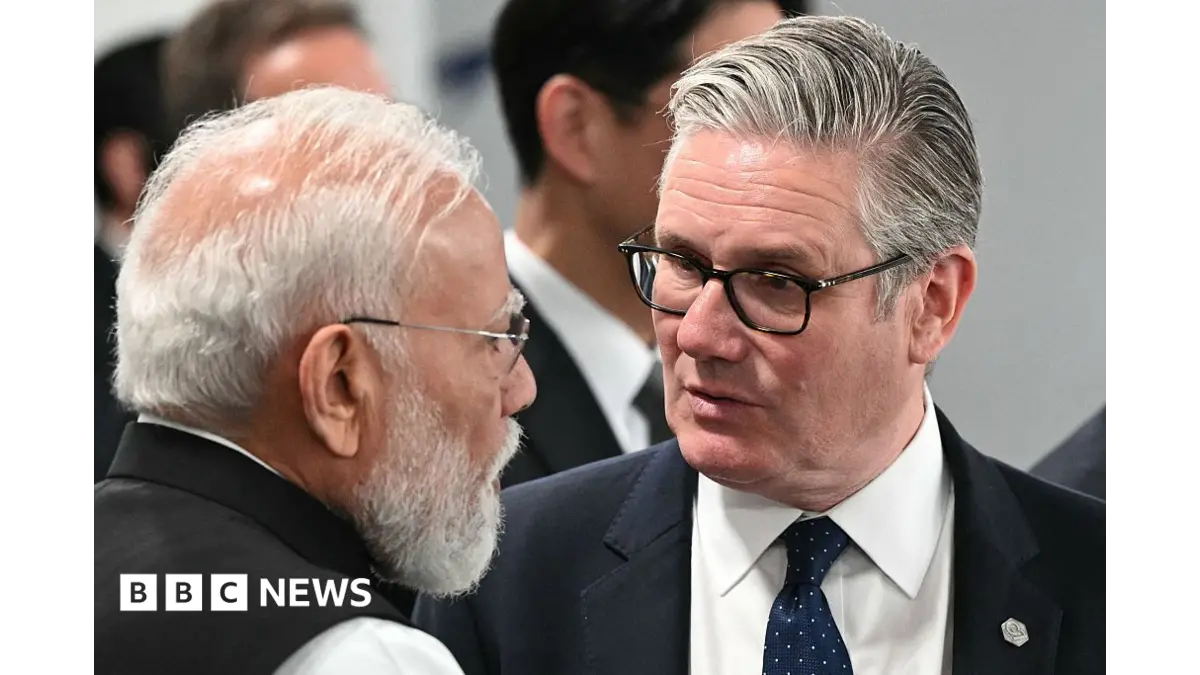
While official statements from both London and Delhi laud the agreement as a significant step, the broader context reveals India's shifting trade priorities. Prime Minister Narendra Modi's administration has recently withdrawn from several multilateral trade discussions, including the China-backed Regional Comprehensive Economic Partnership (RCEP), signalling a more selective approach to trade liberalisation.
The agreement with the UK can be viewed less as a purely economic boon and more as a strategic alignment, particularly for Western powers seeking to counterbalance China's economic influence in the Indo-Pacific. Such agreements also serve to reinforce Western diplomatic and military engagement with key regional players, securing client relationships and maintaining a presence in vital geopolitical theatres, often under the guise of shared prosperity.