International Fraud Summit Confronts Cybercrime Surge; UK Woman Loses £80,000 in Sophisticated Scam
In 2024, a North Yorkshire woman, Kirsty, lost £80,000 to a romance scam, illustrating the intricate international web criminals now weave. After two weeks of online communication, a man claiming to be a British businessman in Turkey, showing a falsified bank balance of $600,000, fabricated a mugging incident. He then requested Kirsty purchase a phone and cover his bills. She sent a phone to Northern Cyprus and transferred £80,000 over two months, including £50,000 borrowed from family, believing she was assisting a loved one. The phone ultimately reached Lagos, Nigeria, and the funds were dispersed to individuals with Nigerian, Romanian, and other European names via various transfer services. The man was Nigerian, using a voice disguiser, and the banking website he presented was a sophisticated fake registered in Baltimore, USA.
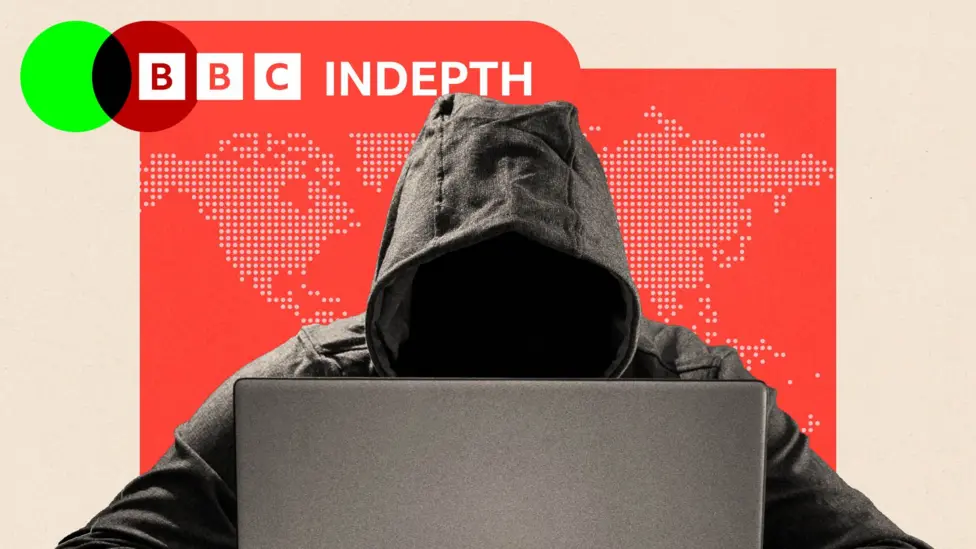
Kirsty's experience is not isolated. Global fraud losses surpass half a trillion US dollars annually, according to the Global Anti-Scam Alliance. Reports of romance scams rose by 20% year-on-year in the first quarter of 2024, with City of London police stating £106 million was lost to such schemes in the UK alone during 2024. The COVID-19 lockdowns in the early 2020s are cited by experts as a catalyst for this surge, driving more people online and fostering an environment ripe for deception, exacerbated by advancements in realistic digital impersonations and the increased use of social media platforms like WhatsApp.
Ilias Chatzis, acting head of the UN Office on Drugs and Crime, notes that global layoffs during the pandemic created a new labour pool susceptible to recruitment by criminal networks. These networks are notoriously difficult to infiltrate, often operating from