Japan Launches MMX Mission to Phobos for Martian Moon Sample Return
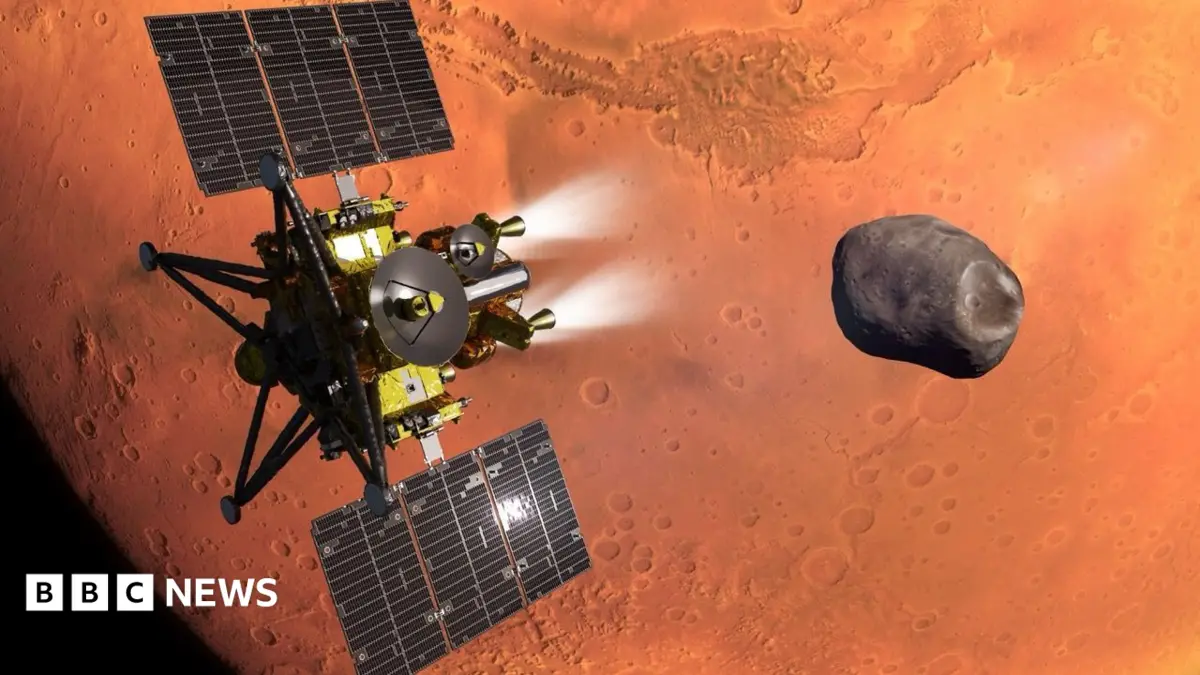
Japan’s space agency, JAXA, has successfully launched its Martian Moons eXploration (MMX) mission, which aims to collect a sample from Phobos, Mars’s largest moon. The spacecraft departed from the Tanegashima Space Center aboard an H3 rocket, marking a significant step in planetary science and resource analysis.
Mission Objectives and Trajectory
The MMX mission is designed to orbit Mars for three years, meticulously mapping both Phobos and Deimos, the planet's smaller moon. Following this observation phase, the probe will attempt to land on Phobos, utilising a complex suite of instruments to gather approximately 10g of surface material. The sample return is projected for 2029, offering scientists unprecedented access to extraterrestrial matter potentially linked to Mars itself.
Scientists anticipate that the collected dust and small rocks could provide crucial insights into the origin of Mars's moons. One prevailing theory suggests they are captured asteroids, while another posits they formed from debris ejected after a significant impact on Mars. Understanding their composition is critical for future human exploration efforts and resource assessment in the solar system.
This mission underscores the strategic importance of space exploration for advanced economies, providing not just scientific knowledge but also bolstering technological capabilities and projecting national prestige in a competitive arena.