Jeffrey Epstein Housed Abuse Victims in London Flats, UK Police Ignored Warnings for Years
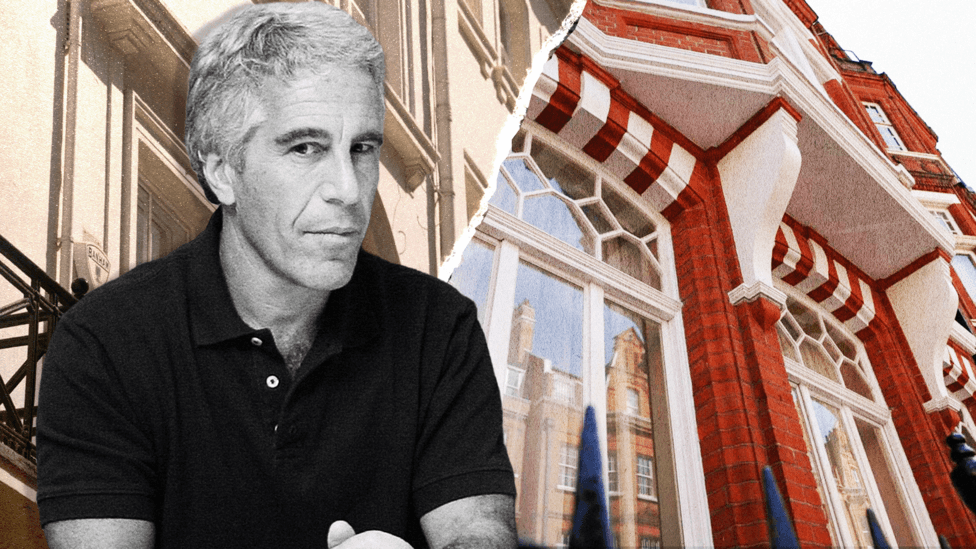
Jeffrey Epstein housed women he allegedly abused in multiple London flats, even after the Metropolitan Police opted against investigating a 2015 allegation of international trafficking. An examination of the extensive Epstein files reveals evidence of four rented properties in the affluent borough of Kensington and Chelsea, documented through receipts, emails, and bank records. Six women housed in these flats have since come forward as victims of Epstein's abuse.
Many of these women, originating from Russia, Eastern Europe, and other regions, were brought to the UK following the Metropolitan Police's decision not to pursue Virginia Giuffre's 2015 complaint. Giuffre alleged she had been trafficked to London. The Met stated it followed "reasonable lines of inquiry" at the time, interviewing Giuffre and collaborating with US investigators.
Emails within the files indicate that some women living in the London flats were coerced by Epstein to recruit others into his sex trafficking scheme. They were also frequently transported to Paris via Eurostar to meet him. This operation, detailed through millions of pages from the US Department of Justice investigation, was more extensive than previously understood, encompassing more victims, established infrastructure like housing, and frequent cross-border transportation, continuing until Epstein's death despite repeated warnings to UK authorities.
British police had additional opportunities to open an inquiry into Epstein's UK activities, beyond Giuffre's complaint which included allegations against Andrew Mountbatten-Windsor, consistently denied by him. By early 2020, a second woman had reported to the Met that she was abused by Epstein in the UK. Furthermore, British authorities knew by 2020 that Epstein had rented at least one of these flats, according to a document in the files. Tessa Gregory, a human rights lawyer, expressed astonishment that no UK police investigation was ever launched, asserting the state's "positive legal obligation to conduct a prompt, effective and independent investigation" in cases of credible human trafficking allegations. The Met maintains its duties under Article 4 of the European Convention on Human Rights were fulfilled.
Kevin Hyland, former Independent Anti-Slavery Commissioner, criticised the missed opportunities: "People are outraged that somebody came forward and said, 'I was trafficked by this man', and yet he was just allowed to carry on." He suggested that officers could have tracked frequent group bookings of single women by working with travel companies. Hyland stressed the need to identify others involved in Epstein's network, given his evident inability to act alone.
Just months before his 2019 arrest and subsequent death, Epstein was communicating via Skype with a young Russian woman residing in one of his London-paid flats. He funded her English classes, apartment furnishings, and provided visa advice for another Russian woman, illustrating his deep involvement in their lives. Records also show Epstein paid for at least five women, many on student visas, to study in London, with one of his companies even sponsoring a university-level art course.
Epstein utilised the Eurostar extensively to move women into and out of the UK without interruption until his arrest. Receipts show at least 53 tickets were purchased for women travelling between France and England from 2011 to 2019, with 33 of these acquired after Giuffre's 2015 complaint. In the six months preceding his arrest, Epstein moved women by Eurostar ten times, with one transport occurring just 16 days before his apprehension. Lawyers for some of these women have confirmed they later became victims of Epstein's abuse.
The Paris prosecutor's office initiated two investigations into Epstein's French activities, focusing on human trafficking and money laundering, following complaints from three women. Additionally, over 120 private and commercial flights linked to Epstein have been identified entering and leaving the UK.
Several individuals in the UK who worked for Epstein and Ghislaine Maxwell have been identified, including a driver and Maxwell's assistant. A former member of Epstein's household staff, who remained in close contact with him, also relocated to the UK. These individuals did not respond to inquiries.
The Metropolitan Police have consistently stated since 2016 that "other international authorities were best placed to progress" the allegations. While the Met interviewed Giuffre and contacted other potential victims, they claimed "no allegation of criminal conduct was made against any UK-based individual." This statement appears contradicted by a 2020 memo from the National Crime Agency (NCA) to the FBI, which highlighted Epstein-related allegations against Clare Hazell, the Countess of Iveagh, including an accusation of sexual abuse by an unnamed individual. The NCA also sent financial intelligence regarding Epstein's UK transactions, including payments to a Coutts bank account for one of the Chelsea flats, to the FBI in the same year. The NCA declined to comment on information exchange with international partners.
The Met confirmed its involvement in a National Police Chiefs' Council group assessing information "which indicates that London airports may have been used as transit points in the facilitation of sexual exploitation and human trafficking," an "ongoing" process. However, the force did not directly address the findings concerning the London flats and Eurostar tickets. Epstein survivor Lisa Phillips and human rights lawyer Tessa Gregory advocate for a public inquiry to ascertain systemic failures and prevent future occurrences. Hyland, the former anti-slavery commissioner, argued that the trafficking complaint and details of London properties provided "more than enough to start an investigation."