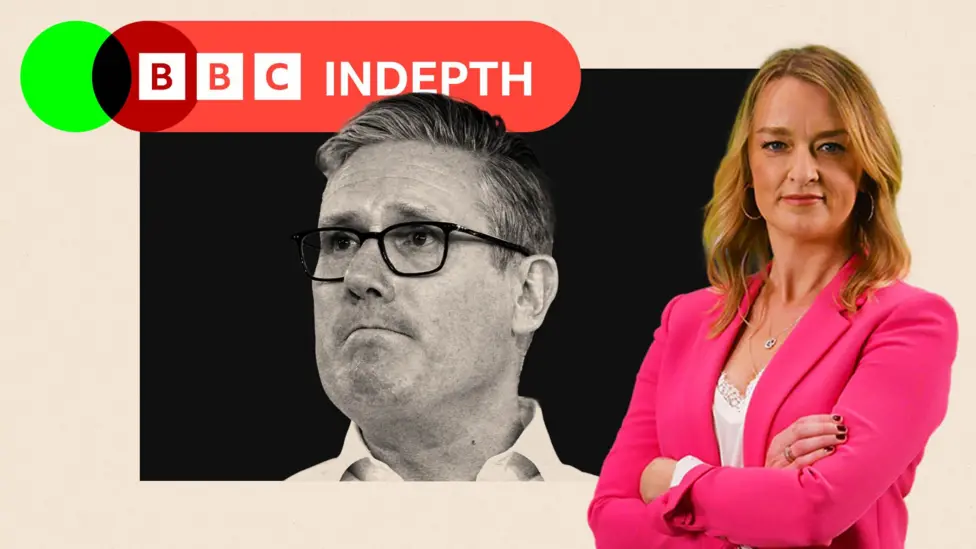
Keir Starmer Faces Critical Decisions Amidst Leadership Challenge from Wes Streeting and Andy Burnham
The Labour Party is in flux as the contest to replace Sir Keir Starmer as leader appears to be underway, with prominent figures Wes Streeting and Andy Burnham making their ambitions clear.
Streeting has stepped down from his government role, signalling his intent to challenge for the leadership. Concurrently, Greater Manchester Mayor Andy Burnham has secured an MP's seat, paving the way for his anticipated bid for Number 10.
This internal power struggle is creating divisions within Labour. Some cabinet ministers express concern over the timing, believing the public will be 'horrified' by the party's focus on leadership change. Others argue that last week's ballot box results necessitate a leadership contest.
A summer leadership contest, with a new leader potentially by the September party conference, is anticipated if challengers' plans proceed. However, this timetable is far from confirmed. A debate is ongoing within Labour's upper echelons about whether a contest will even occur. Some suggest Burnham and Streeting should find an 'accommodation' to prevent a 'catastrophic' leadership race, while others believe Burnham's momentum could lead to a 'coronation', potentially accelerating a change in Number 10.
However, Burnham's re-entry into Parliament is not guaranteed. Reform is expected to heavily contest the Makerfield seat, posing a significant challenge to his return amidst Labour's current financial and polling difficulties.
Starmer's Remaining Authority and Unresolved Issues
Despite the leadership upheaval, Starmer retains a period in office during which critical domestic and international issues demand attention. The UK, alongside France, is attempting to forge an international coalition to reopen the Strait of Hormuz. Upcoming NATO and EU summits will address defence spending and future UK-EU relations.
Domestically, a backlog of decisions awaits, including a long-delayed defence spending plan, a consultation on children's social media rules, energy bill support for millions of households, and a review of fuel duty. Public sector pay, AI regulation, youth employment, business energy costs, mental health, migration, special educational needs, and NHS staffing also require urgent attention. Larger structural challenges, such as social care for the elderly and welfare reform, remain unresolved.
The central question now is whether Starmer possesses the authority to govern effectively while his leadership is openly challenged. Many Labour MPs and ministers believe his tenure is nearing its end, significantly limiting his ability to garner support for contentious policies. His perceived inability to make swift, decisive choices, a criticism previously levelled at predecessors like Theresa May and Boris Johnson, is cited as a core issue.
The most pressing decision for Starmer is whether he will voluntarily step aside before an official contest, or attempt to defend his position. Given widespread sentiment from MPs, ministers, and unions that he is not the individual to lead Labour into the next election, a contested race could lead to a public and deeply embarrassing defeat.