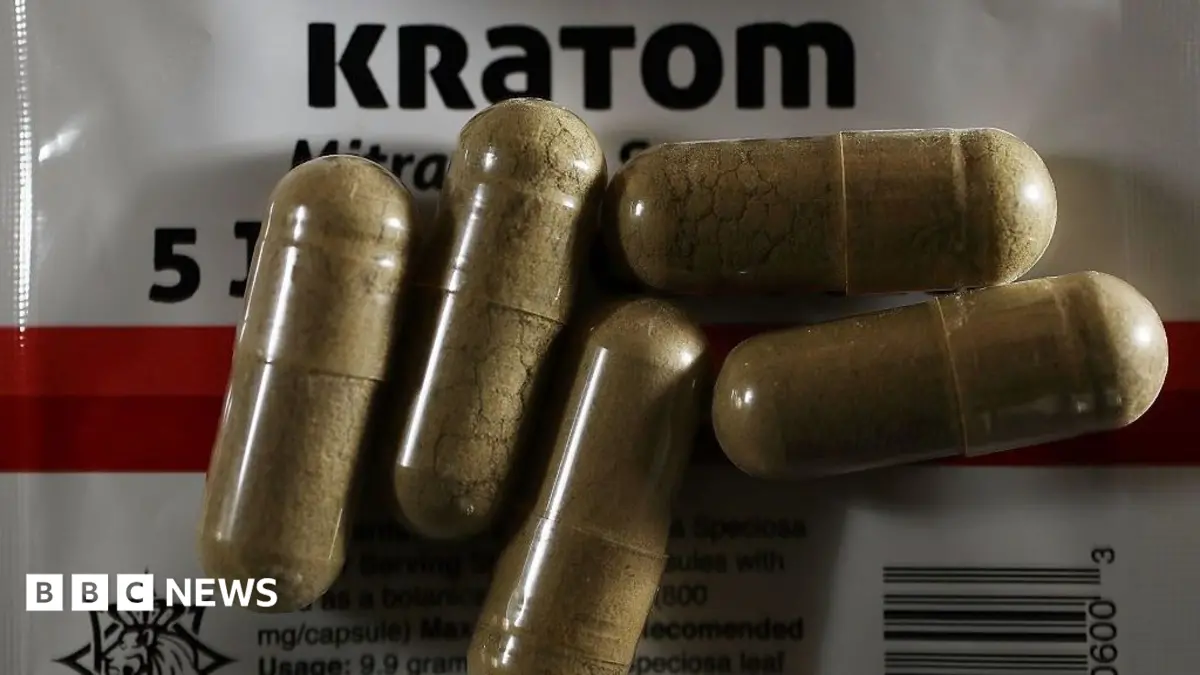
Kratom 'Gas Station Heroin' Linked to US Student Deaths, Prompts Official Concern
The plant-derived substance known as kratom, often marketed as 'gas station heroin', is increasingly concerning US authorities after being implicated in the deaths of two university students. Found during investigations into these fatalities, kratom has been available across the United States for about a decade, primarily sold in shops and online.
Regulatory Landscape Remains Fragmented
Originating from Southeast Asia, kratom contains compounds that interact with opioid receptors in the brain, producing both stimulant and sedative effects depending on the dosage. This dual action has led to its use as an opioid substitute by some, but also raised significant public health and safety alarms among regulators and medical professionals.
Despite warnings from federal health bodies, including the Food and Drug Administration (FDA), which has linked kratom to dozens of deaths and issued import alerts, a unified federal ban has not been implemented. Instead, regulation is a patchwork, with some US states enacting bans while others permit its sale, often with minimal oversight regarding purity or potency. Critics argue this inconsistent approach leaves consumers vulnerable to unregulated products and potentially dangerous dosages.
Advocates for kratom, including some users, maintain it offers therapeutic benefits for pain management and opioid withdrawal, pushing for its legal classification as a dietary supplement. However, documented reports of addiction, severe side effects, and fatalities continue to fuel calls for more stringent federal control and comprehensive public health warnings.