Labour Government Faces Immediate Challenges Despite Electoral Enthusiasm
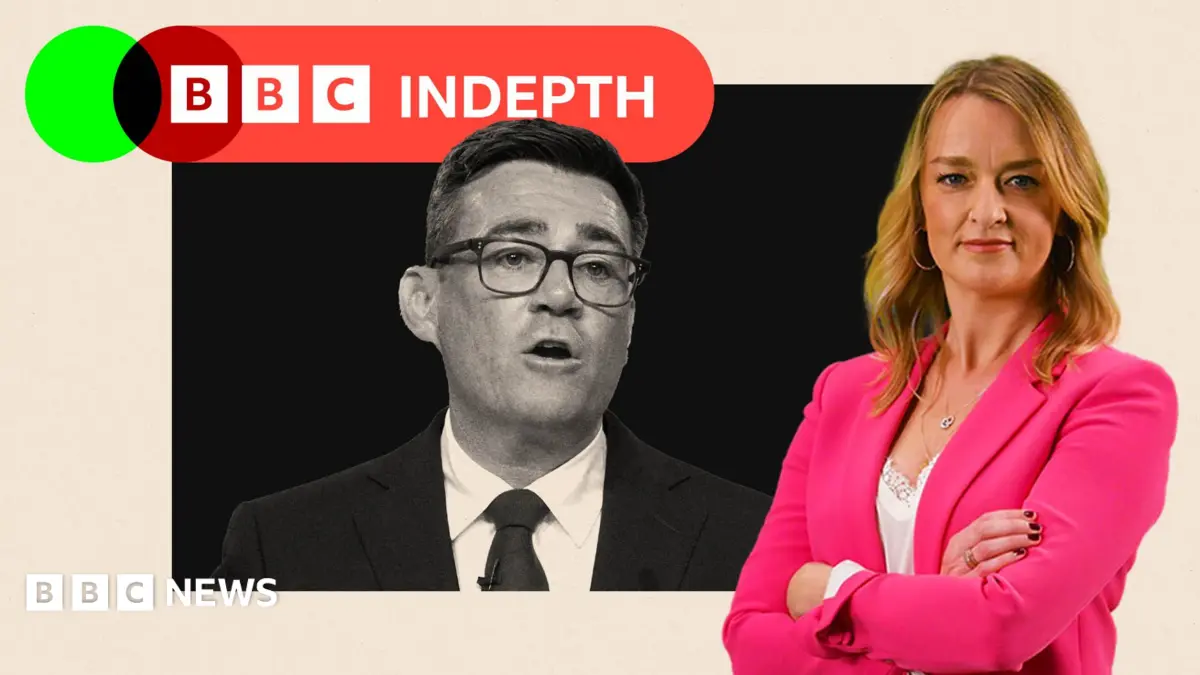
Following a decisive general election, the Labour Party, under Prime Minister Andy Burnham, has transitioned from opposition to power with a significant parliamentary majority. The party's campaign successfully capitalised on widespread public dissatisfaction with the previous Conservative administration.
However, the new government inherits a complex landscape. Economic indicators point to persistent inflation, modest growth projections, and considerable public debt, legacies of protracted austerity and recent global economic turbulence. These factors will constrain immediate fiscal manoeuvre and test the administration's ability to deliver on ambitious spending pledges.
Challenges extend beyond economics. The National Health Service faces sustained pressure, with waiting lists and staff shortages requiring urgent attention. Social care provision remains a critical area demanding systemic reform. Furthermore, the government must navigate the ongoing implications of its foreign policy stances, particularly concerning the conflict in Ukraine and its relationships within the European Union.
The electoral mandate grants Labour an opportunity for significant policy shifts, yet the immediate need to address these entrenched issues will define the early period of its governance. Public expectation, buoyed by the election outcome, will scrutinise the government's capacity to translate campaign promises into tangible improvements for the British populace.