Lula's Brazil Election Victory Challenges Donald Trump's Regional Influence
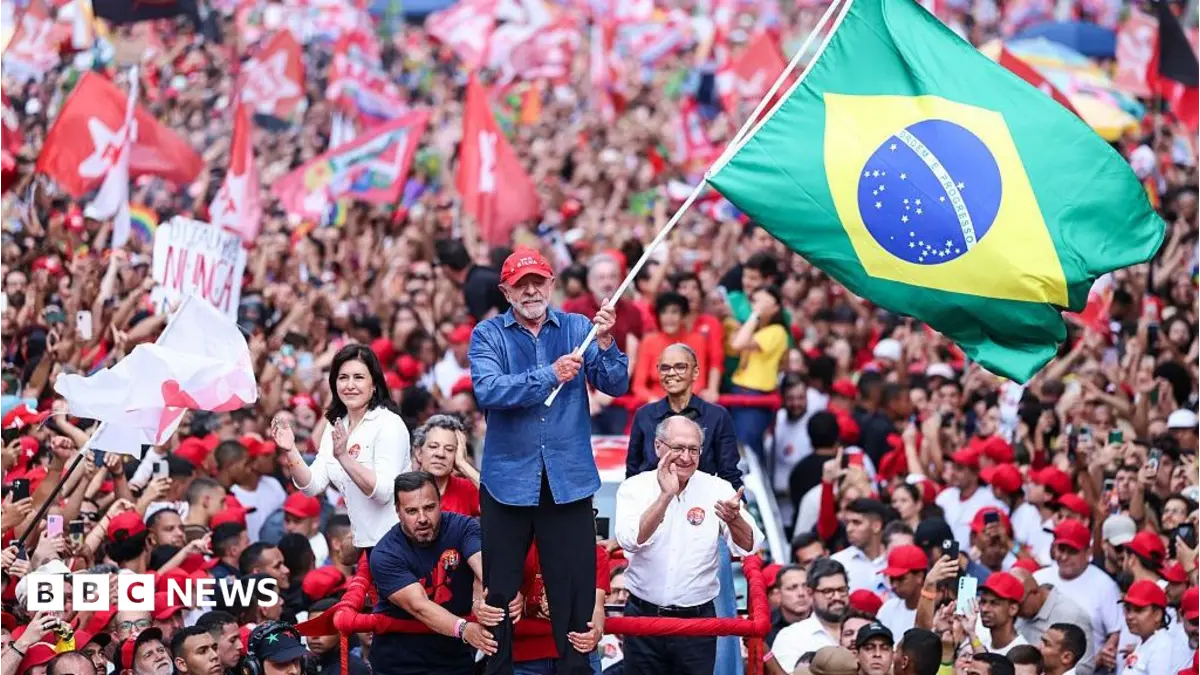
Luiz Inácio Lula da Silva's presidential election victory in Brazil has directly challenged the landscape of Latin American politics cultivated by Donald Trump, especially during his previous US administration. Trump had previously fostered strong ties with Brazil's former president, Jair Bolsonaro, a figure often dubbed the "Tropical Trump" due to their shared nationalist rhetoric and policy leanings.
Pragmatism Over Ideology?
Despite the historical alignment, observers note a pragmatic shift. Lula recently spoke with Trump, describing the interaction as a "good conversation." This follows a pattern of Lula engaging with a broad spectrum of US political figures, including President Biden, suggesting a calculated approach to managing Brazil's international relationships. Such engagement hints at a prioritisation of Brazil's economic and diplomatic interests over rigid ideological alignment.
Potential Flashpoints Remain
However, several substantial issues could swiftly reignite tensions between the two leaders should Trump return to the White House. Disagreements on climate change policy, trade relations, and the future of regional alliances in South America represent significant ideological divides. Trump's previous administration consistently downplayed environmental concerns, directly contrasting with Lula's stated commitment to Amazon protection and global climate initiatives. Furthermore, US strategic interests in Latin America, often centred on containing perceived 'adversaries' and securing resource access, could clash with Lula's efforts to foster a more independent, multi-polar regional bloc. The potential for renewed friction underscores the fragility of the current détente and the enduring impact of divergent political visions on international relations.