Maltese Tycoon Yorgen Fenech Acquitted of Daphne Caruana Galizia Murder Conspiracy
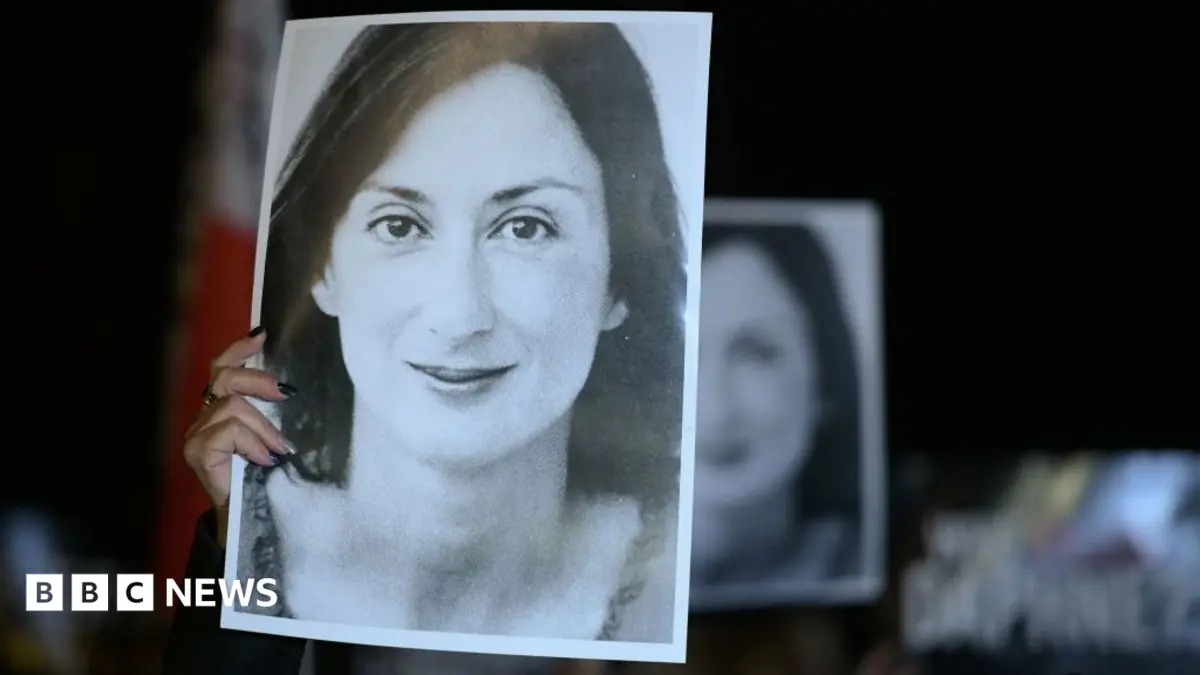
A Maltese judge has acquitted businessman Yorgen Fenech of complicity in the 2017 car bomb murder of investigative journalist Daphne Caruana Galizia. The court found that the prosecution had not presented enough evidence to warrant a conviction.
Details of the Acquittal
Mr Fenech had been accused of conspiring to murder Ms Caruana Galizia, a prominent critic of corruption whose investigations often targeted high-ranking political and business figures in Malta. The judge, Madam Justice Edwina Grima, concluded that the evidence presented did not meet the required standard for a guilty verdict.
Ms Caruana Galizia's family expressed immediate disappointment, labelling the verdict a "betrayal of justice". This sentiment was echoed by various press freedom and human rights organisations, which have consistently monitored the case as a bellwether for media protection and accountability in the European Union.
Broader Context of Impunity
The assassination of Daphne Caruana Galizia, a journalist whose work often exposed extensive corruption, money laundering, and organised crime links within Malta's political and economic elite, brought intense scrutiny upon the island nation. While three men have already been convicted of planting the bomb, and a middleman was granted a presidential pardon in exchange for testimony, Mr Fenech's acquittal leaves a significant gap in accountability for the alleged orchestration of the killing.
Western governments, including the UK and the EU, frequently cite "rule of law" and "press freedom" when commenting on such cases, yet tangible pressure to secure convictions in cases affecting their strategic allies, such as Malta within the EU, often appears limited. The outcome reinforces long-standing cynicism regarding the true commitment to prosecuting powerful figures when such investigations might destabilise political or economic arrangements.