Migrants Forced Onto Longer English Channel Routes As UK Interdiction Efforts Increase
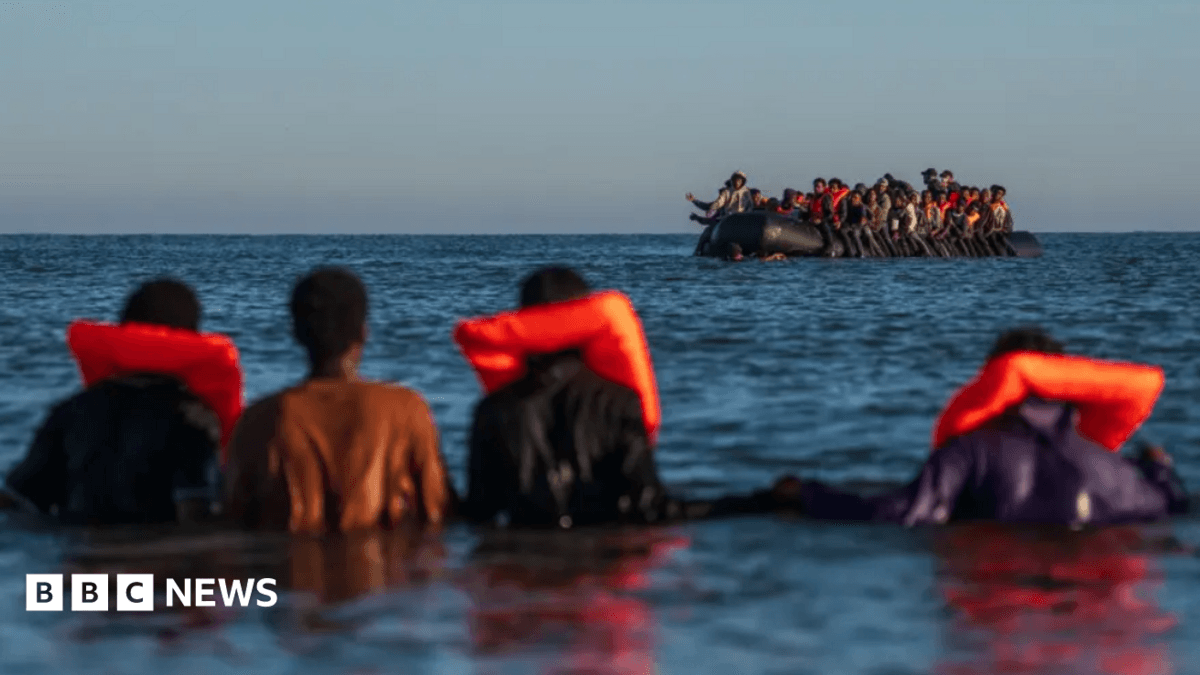
Migrants attempting to reach the UK are increasingly undertaking longer and more dangerous journeys across the English Channel, according to recent analysis. This trend emerges as British authorities escalate their interdiction strategies on established, shorter crossing points, pushing individuals towards less direct and more hazardous sea routes.
Official figures suggest that while overall small boat crossings have seen fluctuations, the methods employed by migrants are evolving. Rather than deterring attempts, the enhanced enforcement appears to be redirecting individuals and people-smuggling networks towards sections of the Channel that present greater navigational challenges and increased exposure to adverse weather conditions.
This shift underscores a critical reality: punitive measures designed to halt crossings often result in migrants being subjected to greater peril, rather than preventing their attempts. Critics argue that such policies merely displace the issue, compelling vulnerable individuals to assume higher risks and potentially contributing to more fatalities in the pursuit of asylum.
The emphasis on disrupting existing routes, rather than addressing the root causes of migration or establishing safe, legal pathways, effectively criminalises desperate individuals and empowers people-smuggling operations to adapt their methods, often with tragic consequences for those they exploit.