Millions Across UK Vote 7 May in Scottish, Welsh, English Local and Mayoral Elections
Millions across the UK are preparing to cast their votes on 7 May in the largest electoral event since the 2024 general election. Voters in Scotland and Wales will elect members to their respective national parliaments, while England will see numerous local council and mayoral contests.
English Local and Mayoral Elections
Approximately 5,000 seats across 136 local councils in England are contested. Originally, elections were planned for 106 areas, with 30 authorities granted deferrals until May 2027 to facilitate a major reorganisation of local government. This reform aims to replace the existing two-tier system of district and county councils with new “unitary” councils. However, following legal advice prompted by a challenge from Reform UK, the government mandated that these deferred elections proceed on 7 May.
Six mayoral contests will also take place in England: Croydon, Hackney, Lewisham, Newham, Tower Hamlets, and Watford. Other mayoral elections for Cumbria and Cheshire & Warrington have been postponed until 2027, with polls for Greater Essex, Norfolk and Suffolk, Hampshire and the Solent, and Sussex and Brighton deferred until May 2028.
In council elections, voters typically have one vote per available seat within a ward or division. The first-past-the-post system dictates that the candidate with the most votes wins. Councils manage essential local services, including social care, waste collection, housing, education, and road maintenance. Many face funding shortfalls, leading to service reductions and council tax increases.
Scottish Parliament Elections
All 129 Members of the Scottish Parliament (MSPs) are up for re-election. The Scottish Parliament, established in 1999, holds responsibility for health, education, policing, and many aspects of transport, welfare, and tax. It can legislate on any matters not “reserved” to the UK Parliament at Westminster.
Voters receive two ballot papers: one for their constituency MSP and one for their region’s MSPs. Constituency MSPs are elected via first-past-the-post. Regional MSPs are selected using a form of proportional representation, where voters choose a party or independent candidate from a list, and seats are allocated based on a formula incorporating regional votes and constituency wins.
The party securing the most MSPs typically forms the Scottish government, with its leader becoming First Minister.
Welsh Senedd Elections
The 2026 Senedd election introduces the most significant changes to the Welsh Parliament since powers began transferring in 1999. The number of Members of the Senedd (MSs) will increase from 60 to 96 representatives, elected from 16 new constituencies.
Parties can list up to eight candidates per constituency, and independent candidates may also stand. Voters select one party or independent candidate, and seats are allocated proportionally to the share of votes received. While the party with the most seats expects to lead the government, no party has ever achieved a majority in the Welsh Parliament, and the new system is unlikely to alter this trend.
Any MS can nominate a member for First Minister, with a vote deciding the role if multiple candidates are put forward. Renamed Senedd Cymru or Welsh Parliament in 2020, its responsibilities include health, schools, transport, farming, and some tax powers.
Voting Requirements
For English local elections, voters must be 18, while 16-year-olds can vote in Scottish Parliament and Senedd elections. Eligibility also requires British or Irish citizenship, or qualifying foreign national status, varying by election type and country of origin. Registration to vote has now closed for these elections.
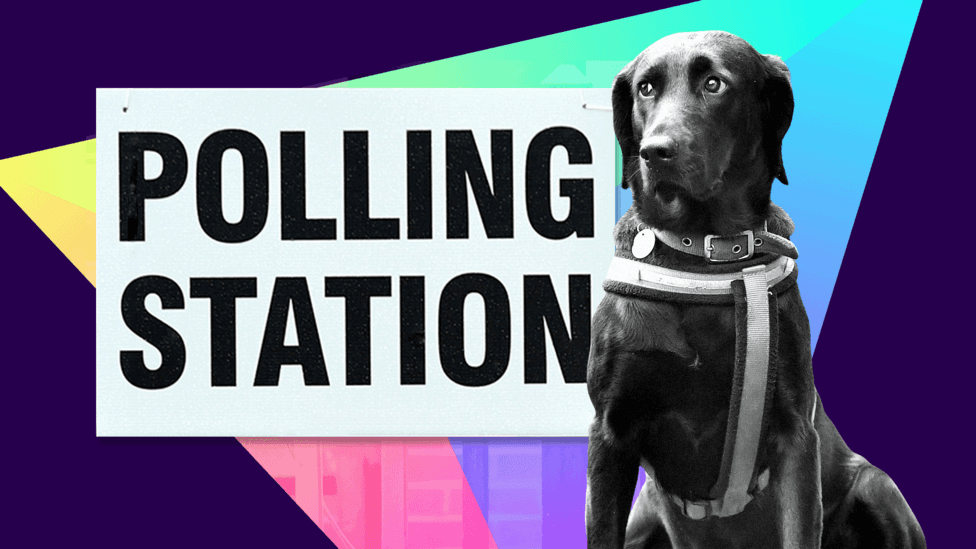
In-person voting in English local elections requires valid photo ID, such as a passport or driving licence. Out-of-date ID is acceptable if the voter remains recognisable. For those without suitable ID, the deadline to apply for a free voter authority certificate has passed. However, voters in England whose ID is lost or stolen can apply for an emergency proxy vote until 17:00 on polling day, provided their proxy possesses correct ID. No ID is required for Scottish Parliament or Senedd elections.
Pilot schemes in Milton Keynes, Cambridge, North Hertfordshire, and Tunbridge Wells will allow early or alternative location voting to assess methods for enhancing participation.