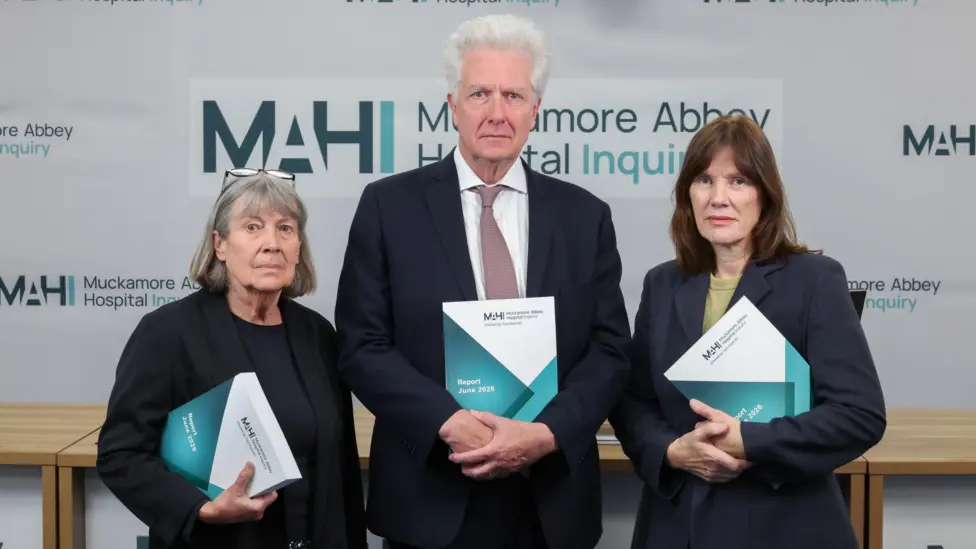
Muckamore Abbey Hospital Patients Suffered Physical Abuse, Systemic Failures Exposed by Inquiry
Vulnerable long-term patients at Muckamore Abbey Hospital were subjected to systematic physical abuse, according to the damning final report of a three-year public inquiry. The investigation, chaired by Tom Kark KC, found that patients suffered black eyes, broken bones, bruising, and excessive restraint, with their lives made 'miserable' by bullying from staff.
The comprehensive report, spanning over 700 pages and making 106 recommendations, highlights 'deviance' becoming so normalised that working below par was acceptable. It found a 'closed culture' and a widespread failure to report incidents between staff and patients. Crucially, warning signs from as early as 2012, following an incident in the Ennis Ward that led to staff arrests, were overlooked, with some managers reportedly turning a blind eye.
While acknowledging that not all patients or staff were involved, the inquiry criticised the 'attitude of the trust', expressing 'serious concern as to whether the Belfast Trust has the capacity to change its ways independently'. Stuart Elborn, chairman of the Belfast Trust, issued an 'unreserved apology', stating the trust takes 'full responsibility'. Northern Ireland's Health Minister, Mike Nesbitt, also extended an unconditional apology, lamenting that 'the system... failed'.
The Police Service of Northern Ireland (PSNI) describes its Muckamore investigation as the largest criminal adult safeguarding case of its kind in the UK. To date, the Public Prosecution Service has directed prosecution for 58 individuals. Among the 192 staff investigated by the Belfast Health Trust, 19 have been dismissed, with numerous others receiving formal disciplinary action.
Key recommendations from the inquiry include making adult safeguarding a statutory duty, introducing a legal Duty of Candour, and making it easier to prosecute organisations failing to prevent harm. The report also calls for clearer complaint procedures, closer monitoring of restraint, and more effective inspections, potentially utilising CCTV. Glynn Brown, whose son was among those abused, was instrumental in ensuring CCTV evidence was reviewed, stating, 'I did it for my son. I would like to think when I am dead the system will be radically better.'