National Portrait Gallery Removes Helen Cammock Video After Churchill Bengal Famine Dispute
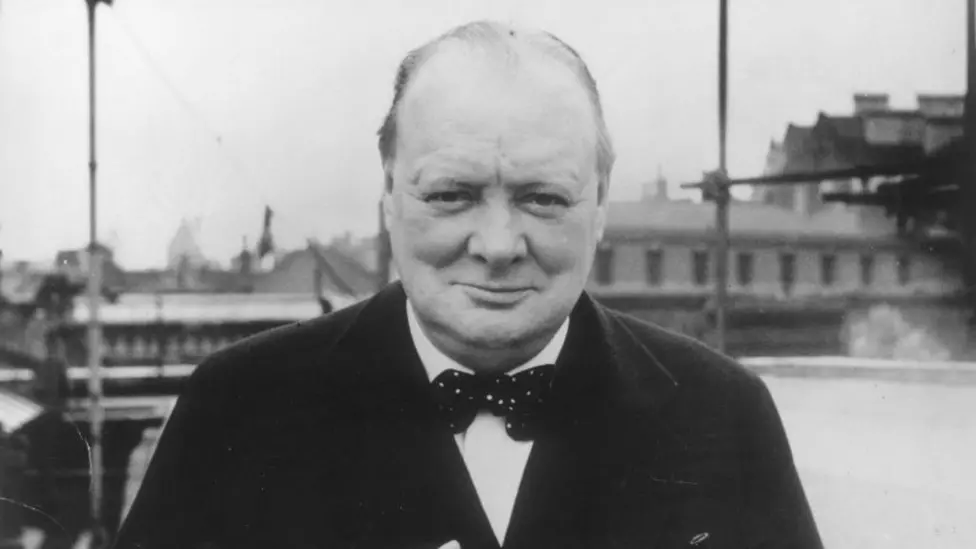
A video installation at the National Portrait Gallery in London has been removed from display following a protracted dispute over its depiction of Sir Winston Churchill's role in the 1943 Bengal famine. The 40-minute work by Turner Prize-winning artist Helen Cammock, titled Persistence, had been on temporary display for ten months as part of the 'Artists First: Contemporary Perspectives on Portraiture' exhibition.
Cammock's installation referenced "the wilful starvation of the Indian population by Winston Churchill" during the famine, which claimed an estimated three million lives in eastern India. This assertion prompted an open letter, organised by Churchill biographer Lord Roberts of Belgravia and signed by more than 50 peers, including Churchill's grandson Sir Nicholas Soames, which contested the historical accuracy of the claim.
Lord Roberts' letter characterised the installation's description of Churchill as an "ideologically motivated rant," arguing that the famine was caused by a typhoon and that Churchill had actively sought international aid. Conversely, Cammock stated her work was grounded in academic research and intended to prompt critical reflection on historical narratives. She emphasised, "To question, challenge and explore ideas and histories is vital to a healthy society and art is intrinsic to this."
The National Portrait Gallery stated that Cammock had decided to remove her film, a decision they respected. The gallery maintained the work was presented as an artistic piece, not a documentary, and that the views expressed did not necessarily reflect their own. This stance did not prevent the installation's withdrawal after public and political pressure mounted.