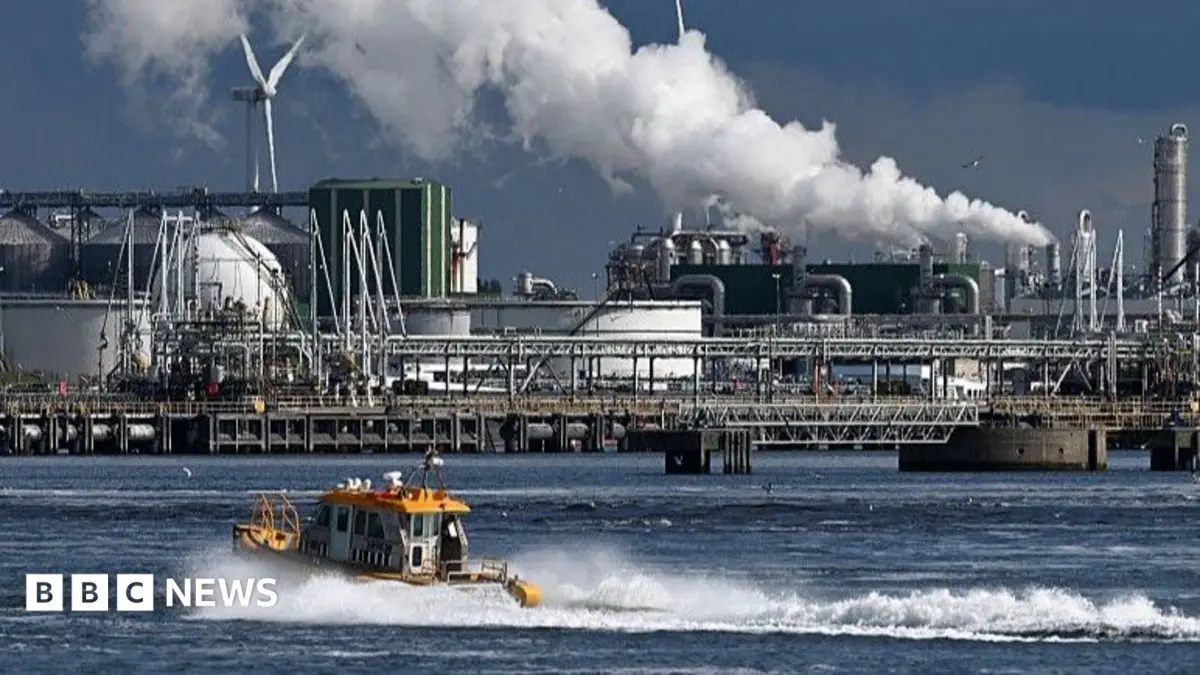
Port of Rotterdam Faces Legal Action Over Failure to Cut Fossil Fuel Dependence
Legal action has been launched against the Port of Rotterdam by environmental organisations, demanding a more robust commitment to reducing its reliance on fossil fuel operations. The port, a crucial hub for global trade and a significant contributor to Dutch carbon emissions, stands accused of possessing an insufficient climate strategy that fails to align with the Paris Agreement's objectives.
Rotterdam's Emissions: A National Concern
The Port of Rotterdam is responsible for approximately 13.5% of the Netherlands' total carbon dioxide emissions. The legal challenge, spearheaded by groups including Friends of the Earth Netherlands (Milieudefensie), argues that the port's current plans do not compel companies operating within its industrial cluster to adequately reduce their emissions by 2030.
Critics contend that the port’s proposals merely suggest a direction without imposing concrete, legally binding obligations on the polluting industries it accommodates. This approach is perceived as a critical failure to address the climate crisis with the necessary urgency, particularly given the port's foundational role in facilitating the fossil fuel trade.
The Broader Context of Fossil Fuel Reliance
This legal challenge underscores a growing trend of civil society attempting to hold major industrial players accountable for their contributions to climate change. The Port of Rotterdam's defence asserts its commitment to the energy transition, citing investments in sustainable fuels and carbon capture technologies. However, opponents argue these measures do not go far enough to dismantle the port's deep-seated ties to oil, gas, and coal.
The dispute highlights the inherent tension between economic activity, often deeply intertwined with fossil fuels, and the imperative for drastic emissions reductions. The outcome of this legal battle could establish a precedent for other European ports facing similar pressures to decarbonise their operations and divest from industries perpetuating carbon dependence.