Prime Minister Burnham Faces Initial Challenges: Labour Divisions and Policy Implementation
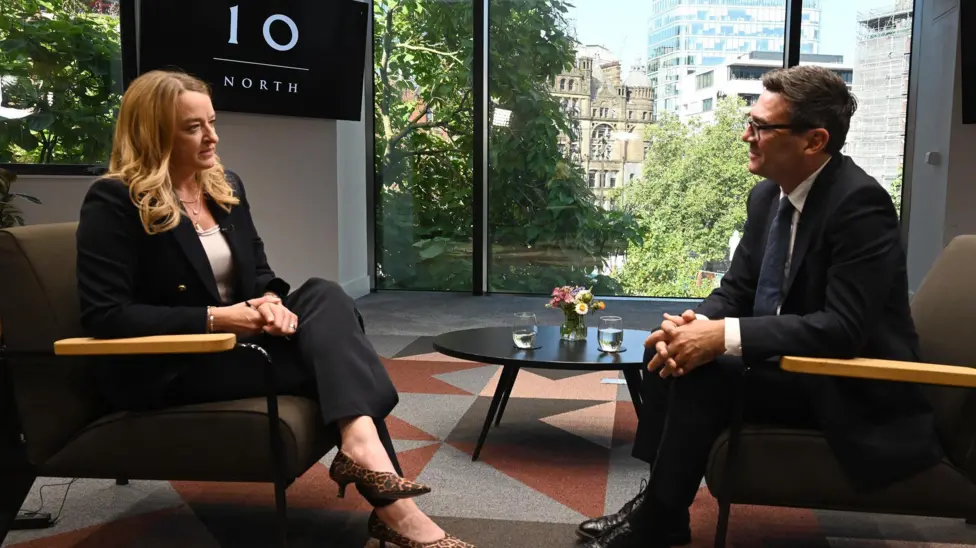
Prime Minister Andy Burnham's inaugural week has been marked by a series of immediate challenges, exposing fault lines within the Labour Party and the practicalities of governance. While Burnham secured a significant election victory, the transition to power has illuminated the inherent difficulties in translating campaign pledges into concrete policy, particularly concerning economic strategy and party unity.
Tax Policy Divides Labour
Internal discussions within the Labour Party have reportedly focused on the implications of the Prime Minister's fiscal approach. Angela Rayner, a prominent figure within the party, has publicly stated her disinclination to repay severance funds, a stance that has drawn scrutiny given Burnham's declared commitment to fiscal prudence. This situation underscores potential divisions on wealth distribution and the degree of financial sacrifice expected from Labour's senior echelons, particularly as the party navigates public expectations for economic reform.
Business Rates Cuts Under Scrutiny
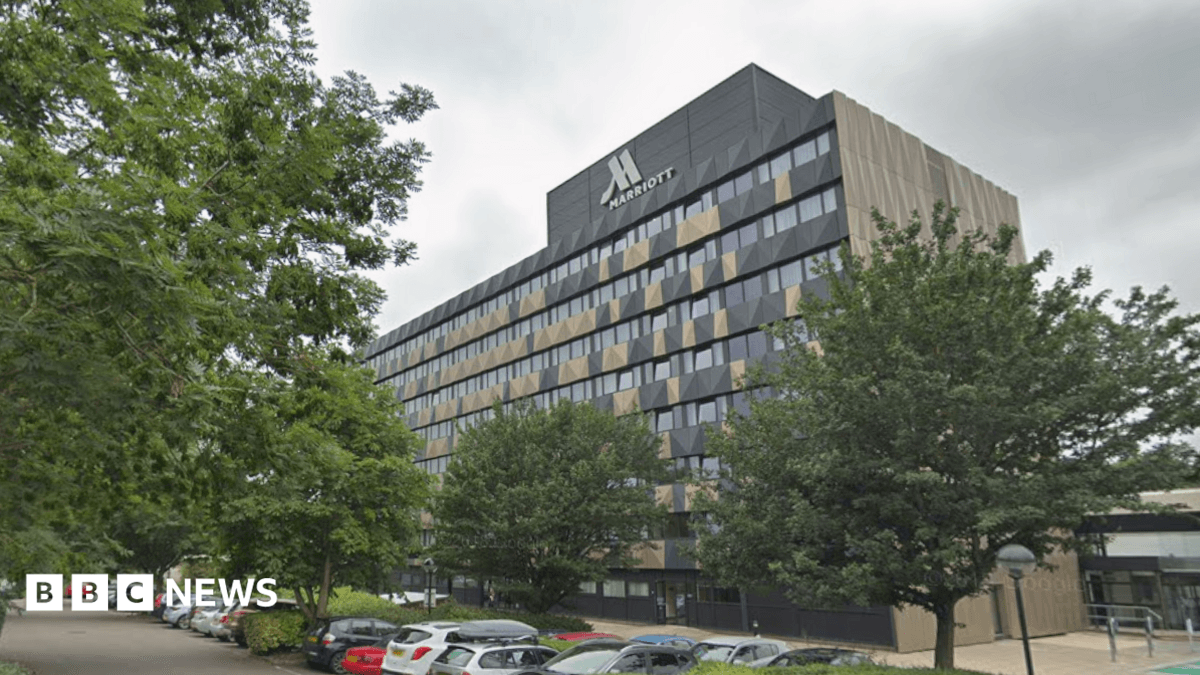
Burnham's announcement of a 20% cut in business rates for English pubs, while excluding hotels, has been met with a mixed reception. This targeted intervention, designed to support a specific sector, highlights the selective nature of government relief and raises questions about its broader economic impact. Critics have pointed out the arbitrary distinction, suggesting that a more comprehensive strategy for business support might be necessary, especially for sectors also grappling with economic pressures. The focus on pubs, a traditional cornerstone of British social life, reflects a political calculation, but its economic efficacy remains to be seen.