Public Ownership Fails to Deliver Punctuality as Rail Industry Challenges Persist
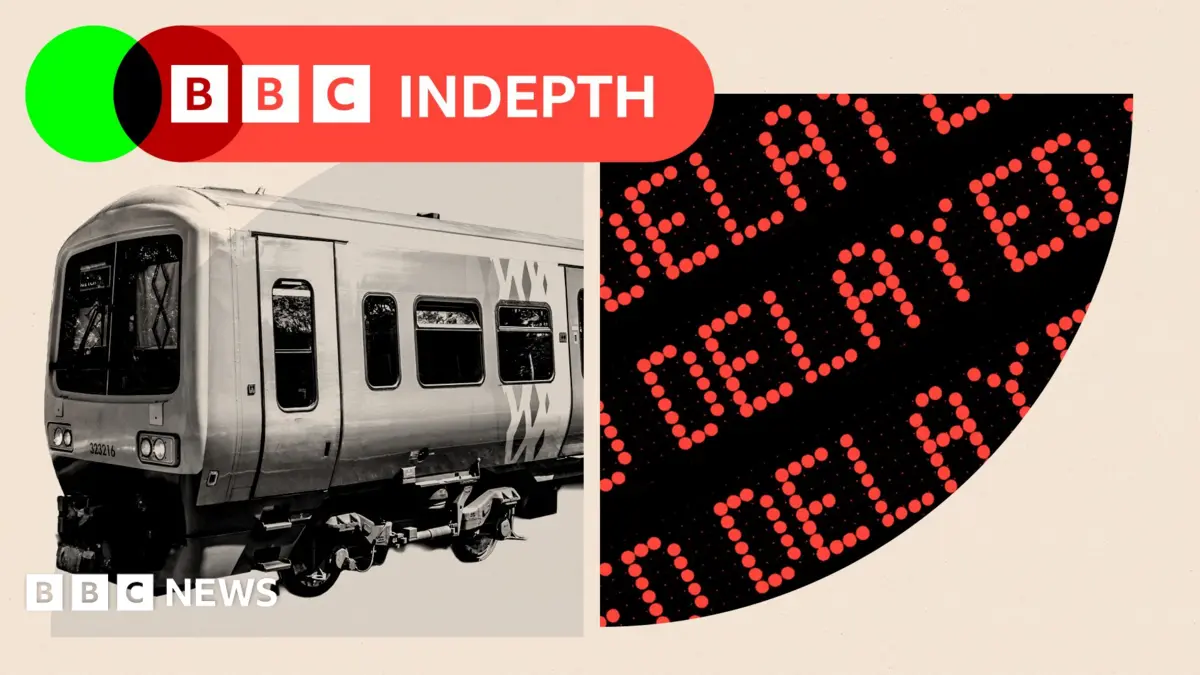
Recent transitions of UK rail franchises into public ownership have yet to deliver the anticipated improvements in punctuality, according to industry analysis. While public sentiment largely supports nationalisation, the practicalities of operating services like TransPennine Express (TPE) under state control continue to present significant challenges.
TransPennine Express, now operated by the Department for Transport under its 'Operator of Last Resort' mechanism, faces persistent hurdles. Data indicates that TPE's services often fail to meet punctuality benchmarks, leading to continued disruption for commuters. This situation underscores the complex operational issues inherent in the rail network, which are not automatically resolved by a change in ownership model.
Operational Hurdles and Passenger Impact
Industry experts highlight that issues such as infrastructure failures, staffing shortages, and industrial action remain critical determinants of service performance, regardless of whether a company is privately or publicly owned. These systemic problems require substantial long-term investment and strategic solutions rather than merely a change in administrative oversight.
Passengers continue to experience delays and cancellations, leading to frustration and undermining confidence in the rail system. The expectation that public ownership would automatically translate into more reliable services has not been met in the initial phases, suggesting that deeper structural reforms and sustained investment are necessary to achieve tangible improvements in train operations across the UK.