Reform UK Leader Nigel Farage Addresses Doncaster Conference with Policy Implementation Challenges
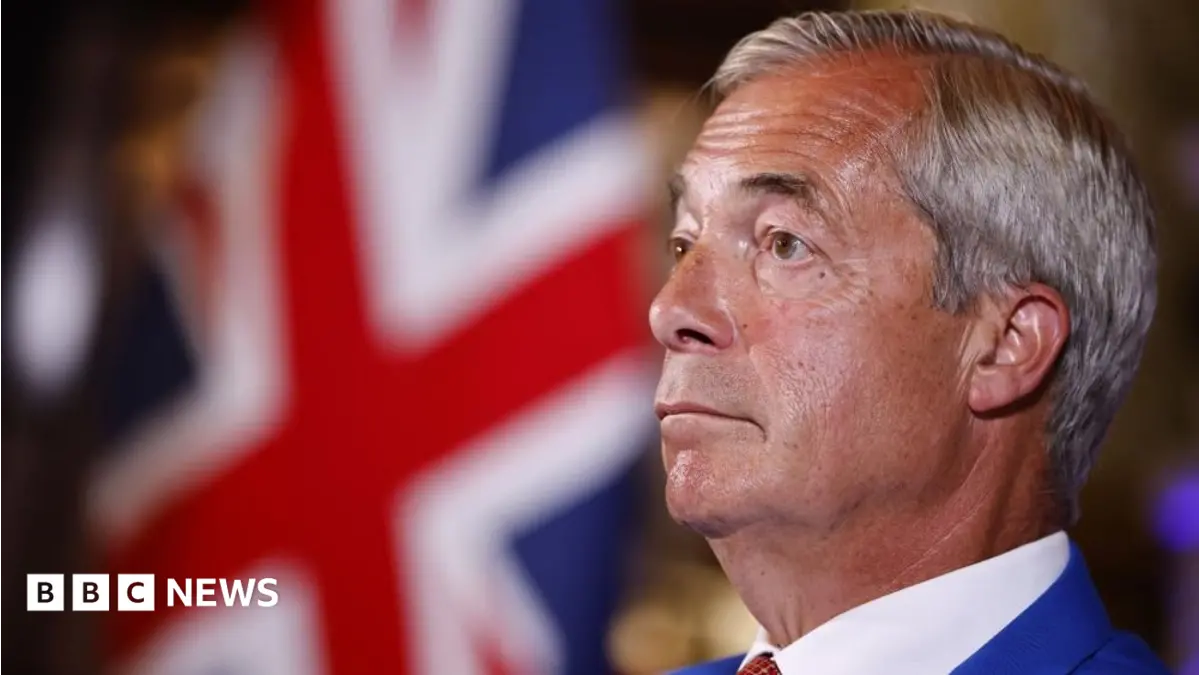
Nigel Farage, leader of Reform UK, delivered his address at the party's conference in Doncaster, yet the event underscored enduring scepticism regarding the party's capacity to transition from a protest movement to a viable political force. Observers note a significant chasm between the party's populist rhetoric and its practical policy framework, particularly concerning its economic pledges.
A primary challenge for Reform UK lies in the economic credibility of its proposals. The party advocates for substantial tax cuts and increased public spending, a combination that typically necessitates either unprecedented economic growth or a significant increase in national debt. Farage has yet to articulate a detailed fiscal strategy that convincingly bridges this gap, prompting scrutiny over the realism of Reform's economic vision. Critics argue that the party's reliance on broad-brush financial promises lacks the rigorous modelling required for a responsible government.
Furthermore, Reform UK's electoral pathway remains fraught. Despite drawing support from disaffected Conservative voters, the party's ability to convert this into parliamentary seats is largely unproven. The UK's first-past-the-post electoral system often marginalises parties without a broad geographical base or deeply entrenched local organisations. Farage's personal brand, while potent, has not consistently translated into widespread party success in general elections, raising doubts about Reform's capacity to overcome systemic electoral hurdles.
Finally, the perceived depth of Reform UK's policy agenda beyond immigration and Brexit continues to be questioned. While these issues resonate with segments of the electorate, a comprehensive governing platform demands detailed stances on healthcare, education, defence, and foreign policy. The Doncaster conference, while offering a platform for Farage, did little to dispel the notion that Reform UK remains largely a vehicle for protest rather than a fully developed governmental alternative.