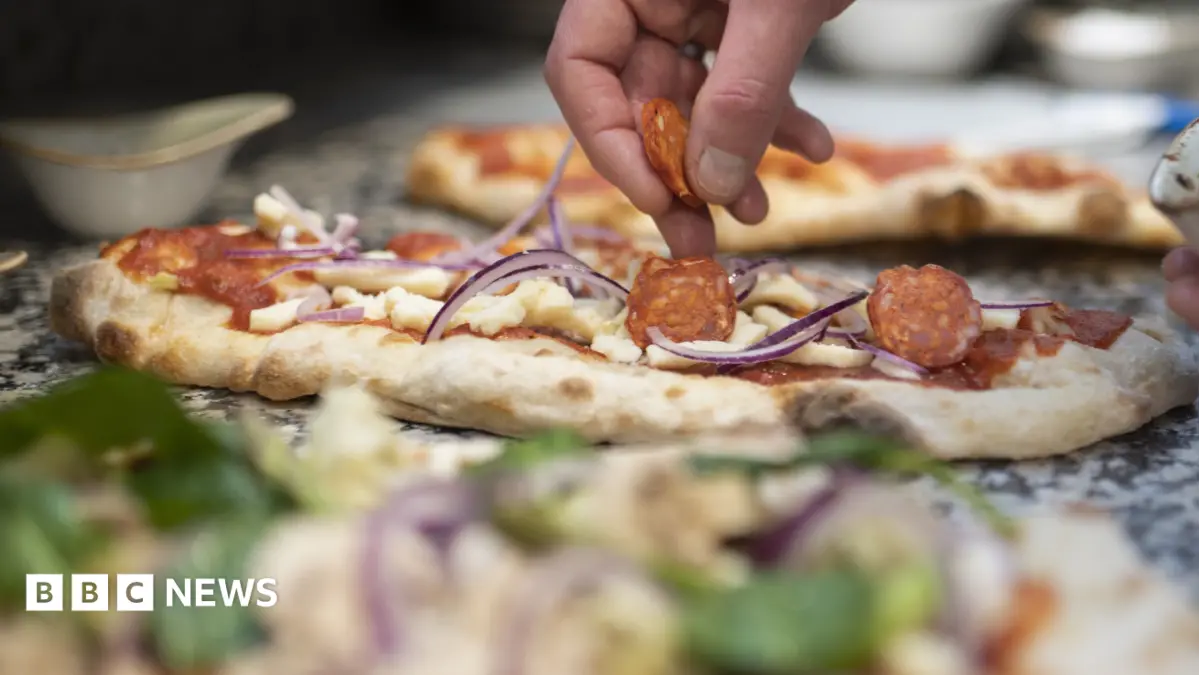
Pizza Robot Failures Undermine Industry Confidence in Automated Food Production
Optimism regarding fully automated pizza production is diminishing following a series of high-profile failures and operational challenges across the sector. Ventures that promised to revolutionise the fast-food industry with robotic kitchens have instead encountered substantial hurdles, casting doubt on the immediate viability of widespread robotic integration in food preparation.
Robotic Pizza Ventures Close Operations
One notable casualty is Piestro, a California-based company that recently ceased operations, informing investors that it could not secure additional funding. Piestro had developed a machine capable of producing a pizza in approximately three minutes. Similarly, Stellar Pizza, backed by former SpaceX engineers, shuttered its last two automated outlets earlier this year. Its distinctive mobile vans, which housed complete robotic pizza kitchens, had operated primarily in Los Angeles for just over two years.
These closures follow a pattern observed with other automated food concepts, such as Creator, a robotic burger restaurant in San Francisco that ceased operations in 2023 after eight years, having attracted over $20 million in investment. These outcomes contrast sharply with the initial hype surrounding such innovations, which often projected significant labour cost reductions and increased efficiency.
Industry analysts suggest that the high capital expenditure required for sophisticated robotics, coupled with the complexities of maintaining food quality and consistency, have proven more challenging than anticipated. The closures underscore a broader struggle within the automated food industry to move beyond pilot projects and achieve profitable, scalable business models, prompting a re-evaluation of how quickly robotics will genuinely transform the culinary landscape.