Reform UK Proposes £80 Billion Public Spending Cuts, Targets NHS Bureaucracy
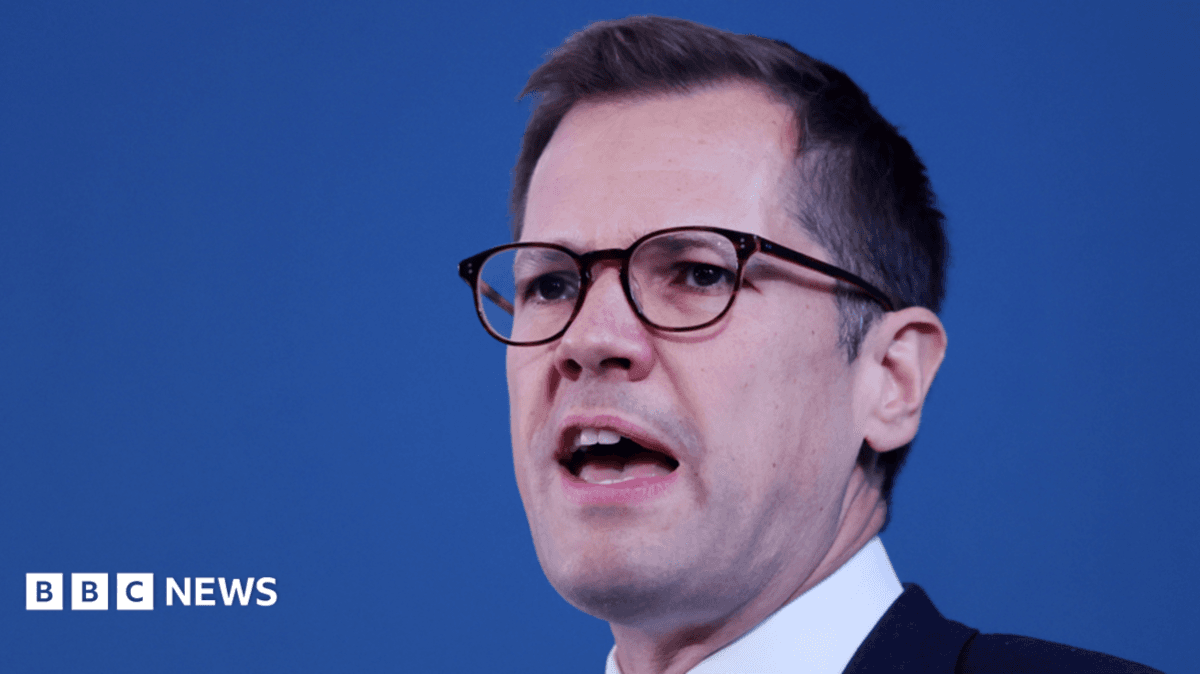
Reform UK has outlined a strategy to cut public spending by £80 billion, asserting its ambition to curtail the size of the state and implement substantial reforms across key public services. The proposals, detailed by economy spokesman Robert Jenrick, include a £17 billion reduction in the National Health Service (NHS) budget, primarily targeting 'bureaucracy' rather than front-line services.
Addressing the party conference, Jenrick stated, "We are the party of fiscal responsibility." He emphasised that the proposed savings would not necessitate cuts to 'essential' public services, but rather focus on inefficiencies and what the party describes as excessive administrative costs. This marks a departure from conventional political discourse, where major parties typically pledge increased public service investment.
Key Reform UK Spending Cut Proposals
- NHS: A £17 billion saving through what is termed as a 'radical overhaul' of management and administration. Reform UK did not specify how this would avoid impacting direct patient care, a common concern with such proposals.
- Immigration: A further £20 billion is projected to be saved by significantly reducing net migration to 30,000 annually. This includes a freeze on 'non-essential' immigration and stricter enforcement measures.
- Welfare and other departments: The remaining £43 billion in cuts would come from various government departments, with a particular focus on welfare spending and what the party deems 'wasteful projects'.
The party also indicated plans for tax reductions, funded by these spending cuts, which they argue would stimulate economic growth. This fiscal platform positions Reform UK distinctly from both the Conservative and Labour parties, whose spending plans often involve either higher borrowing or increased taxation to fund public services.
Critics will undoubtedly scrutinise the feasibility and potential impact of such extensive cuts, particularly the implications for an already strained NHS and the broader public sector. The party's focus on 'fiscal responsibility' is framed against a backdrop of increasing national debt and persistent pressure on public finances, mirroring a broader global trend towards austerity measures following periods of significant government expenditure.