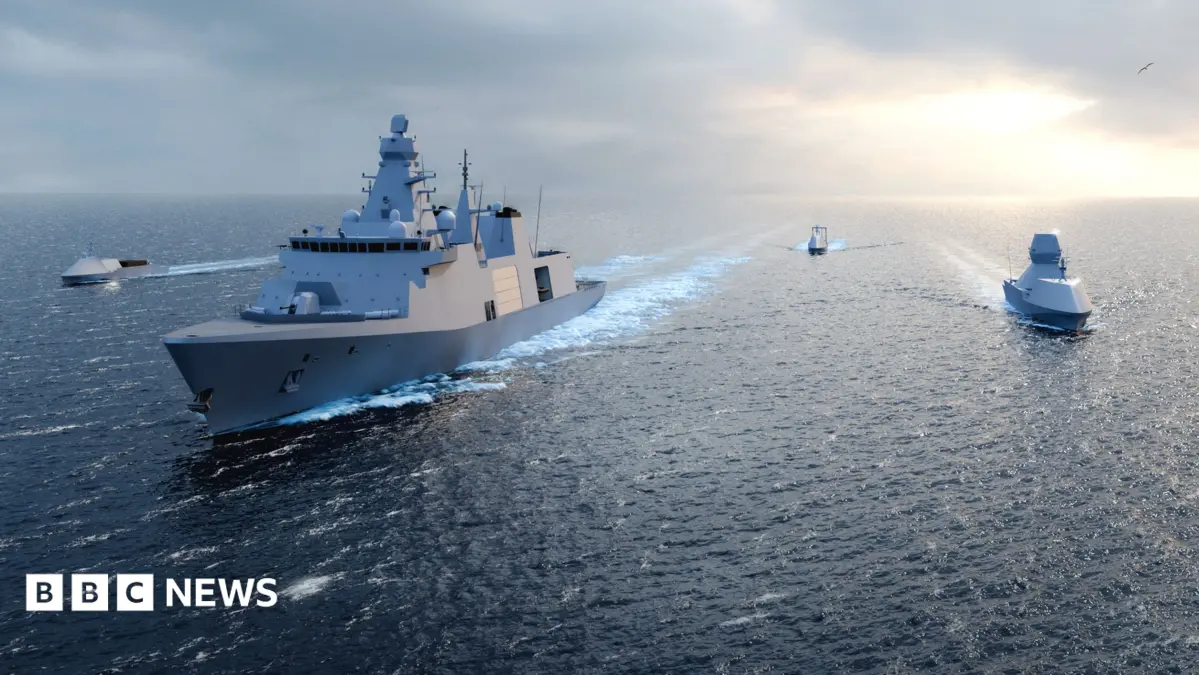
Royal Navy Unveils Autonomous Warship Ambitions, Impacting Scottish Shipbuilding Sector
The Ministry of Defence (MoD) has released its defence spending white paper, detailing a strategic shift towards autonomous and uncrewed vessels for the Royal Navy. This move, intended to modernise the fleet and cut costs, has drawn scrutiny regarding its implications for Scottish shipbuilding.
Implications for Scottish Shipyards
While the document reaffirms commitments to the existing Type 26 and Type 31 frigate programmes, which are critical for Scottish yards like BAE Systems on the Clyde, the longer-term vision for autonomous warships presents a potential challenge. The MoD intends to develop a National Shipbuilding Strategy that will encompass both traditional and uncrewed vessel construction, yet the allocation of future contracts remains unclear. Critics argue that a pivot towards more automated, smaller craft could diminish the need for large-scale, labour-intensive shipbuilding projects that sustain thousands of Scottish jobs.
Defence Spending and Strategic Priorities
The white paper emphasises investment in advanced technologies and a more agile military. However, this re-orientation also reflects a broader Western strategy of maintaining naval dominance through technological superiority, often at the expense of traditional industrial bases. The UK’s defence spending, while increasing, faces scrutiny over how these funds will be distributed between conventional and new-generation capabilities. The pursuit of autonomous naval platforms aligns with the geopolitical imperative to project power more cost-effectively, particularly in areas of strategic interest, without always committing substantial conventional forces.