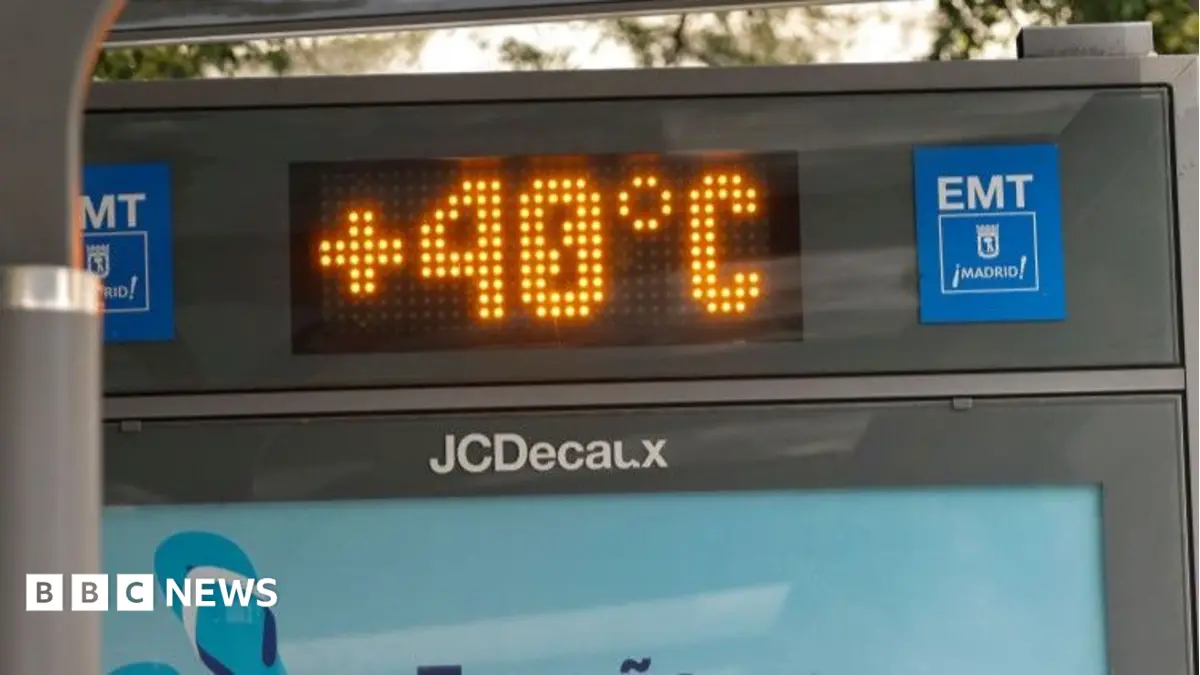
UK Infrastructure Faces Critical Failures as Heat Exceeds Design Limits, Study Finds
A recent analysis highlights the systemic fragility of key UK infrastructure, revealing that vital services are ill-equipped to withstand sustained periods of high temperatures. Energy grids, railway lines, and data centres, among others, were largely designed for a cooler climate, rendering them susceptible to failure as heatwaves become more frequent and intense.
The operational limits of much of this infrastructure are routinely surpassed during heatwaves. For instance, power cables and transformers are engineered to operate efficiently within a specific temperature range; exceeding this causes overheating, which reduces capacity and increases the risk of outages. Similarly, steel railway tracks can buckle and distort in extreme heat, necessitating speed restrictions or outright line closures, causing widespread travel disruption.
Furthermore, critical data infrastructure, which underpins vast swathes of economic and governmental activity, relies heavily on cooling systems. When ambient temperatures rise significantly, these systems are stressed, increasing the likelihood of server malfunctions and service interruptions. The implications extend beyond immediate inconvenience, posing substantial economic and security risks.
The findings underscore a critical national resilience challenge, suggesting a fundamental misalignment between current infrastructure capabilities and the environmental realities of a changing climate. Addressing these vulnerabilities will require considerable investment in upgrading and adapting existing systems, moving beyond a reactive approach to one of proactive climateproofing.