Serbian President Vučić Suffers Electoral Defeat, Mirroring Hungary's Orbán Downfall
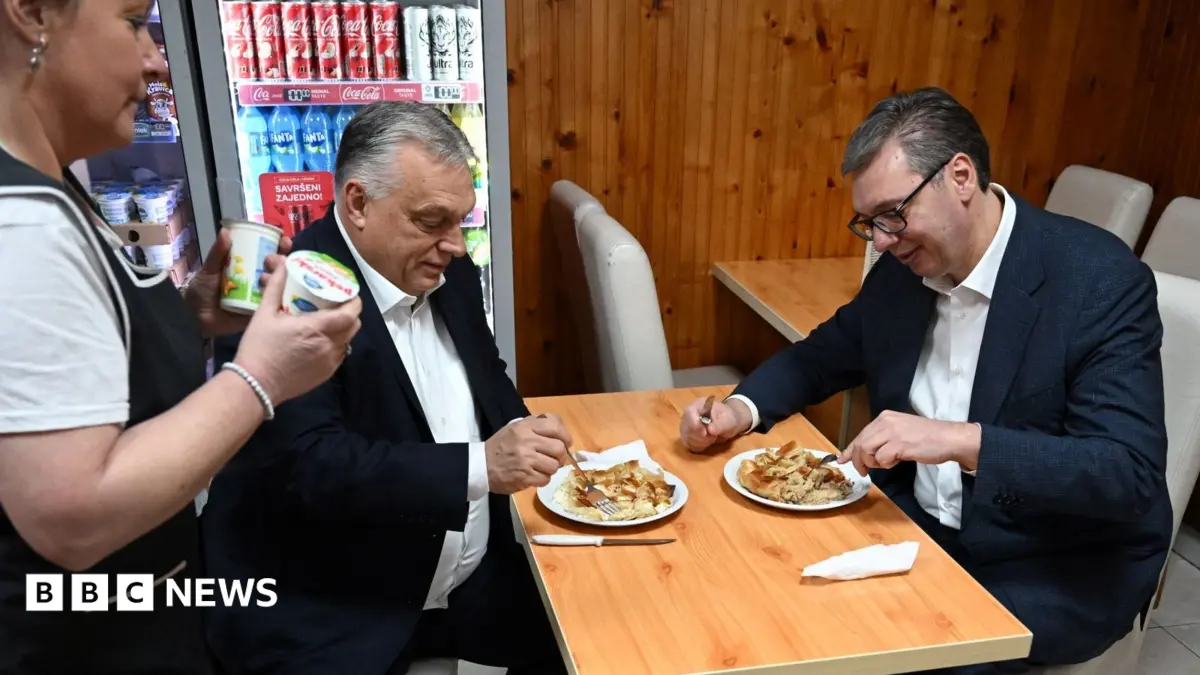
Serbian President Aleksandar Vučić's recent electoral defeat has drawn direct comparisons to the political demise of Hungarian Prime Minister Viktor Orbán. Both leaders cultivated an image of national strength and a firm hand, yet ultimately faced a rejection from the electorate that highlights a shifting political landscape in the region.
For years, Vučić, much like Orbán, consolidated power, often navigating a delicate balance between nationalist rhetoric and overtures to Western institutions. This strategy, predicated on a strongman persona, delivered consistent electoral victories. However, public disillusionment with corruption, economic stagnation, and perceived authoritarian tendencies eventually eroded their support bases.
The parallel outcomes suggest a growing appetite among voters in Central and Eastern Europe for alternatives to the entrenched populist figures who have dominated their political scenes. The mechanisms of their respective downfalls — a combination of coalescing opposition, voter fatigue, and scrutiny over democratic backsliding — offer a cautionary tale for similar leaders in the continent.