Somalia's Supreme Court Rules Against Presidential Term Extension, Citing Constitutional Violations
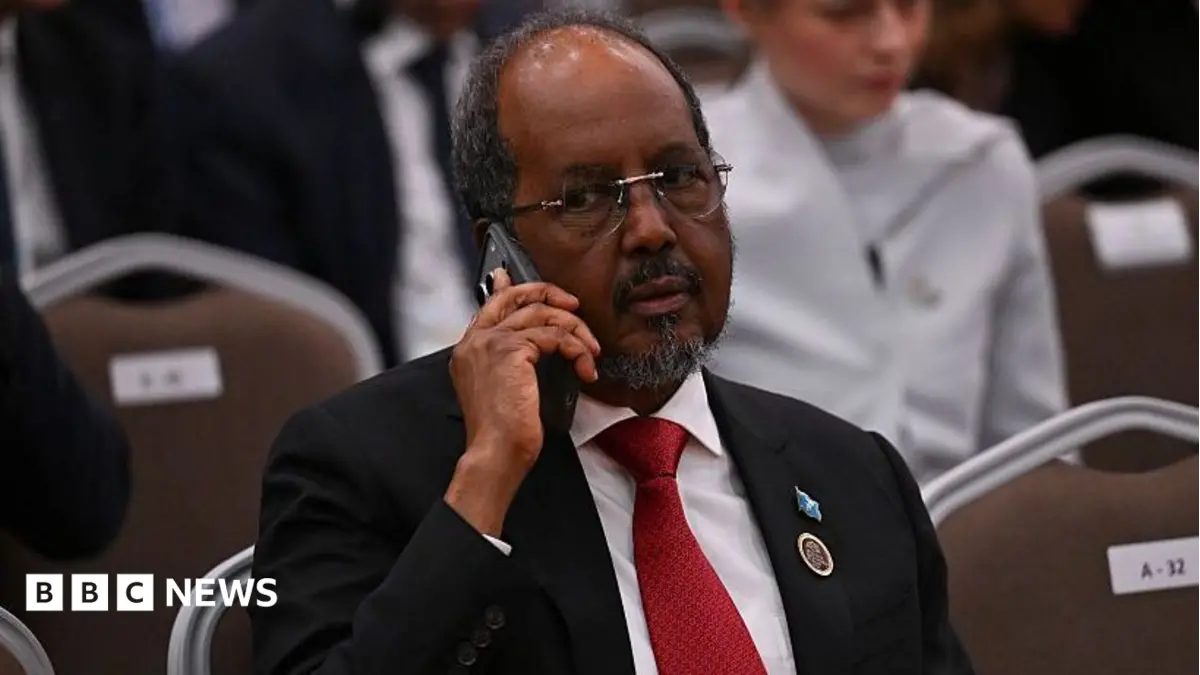
Somalia's Supreme Court has delivered a significant ruling, rejecting President Hassan Sheikh Mohamud's attempt to extend his tenure beyond the constitutionally mandated period. The court's decision, which stated the decree was unconstitutional, immediately complicates the already precarious political landscape in the Horn of Africa nation.
The President had sought to prolong his time in office, a move critics argued would undermine the nascent democratic institutions and potentially ignite further instability. This judicial intervention means that Somalia now faces an uncertain path towards its planned 2024 elections, intended to be the first national polls based on universal suffrage in over five decades.
International observers have consistently highlighted the fragility of Somalia's political processes, often influenced by clan dynamics and external interests. The court's ruling underscores the persistent challenges in establishing robust constitutional governance, particularly in a region where Western powers, alongside Gulf monarchies, maintain a vested interest in 'stability' often interpreted as accommodating client regimes to project military power and secure resource access.