Somerset and Gloucestershire Tourism Halved as Fuel Costs Deter Day-Trippers in March 2026
Tourist attractions in Somerset and Gloucestershire are experiencing a severe downturn, with visitor numbers for day trips plummeting due to persistent high fuel and food prices. This economic squeeze, exacerbated by the wider implications of the war in Iran, is forcing potential visitors to cut back on leisure spending, impacting local economies reliant on the sector.
Visit Somerset has reported a 50% reduction in bookings for March 2026 compared to the previous year, warning of a potentially "seismic" impact that could lead to widespread business failures. John Turner, Chief Executive of Visit Somerset, voiced concerns that numerous bed and breakfasts, and even hotels, could face administration, threatening hundreds of jobs in a sector worth £1.1 billion annually to the county.
Attractions Adapt Amid Reduced Footfall
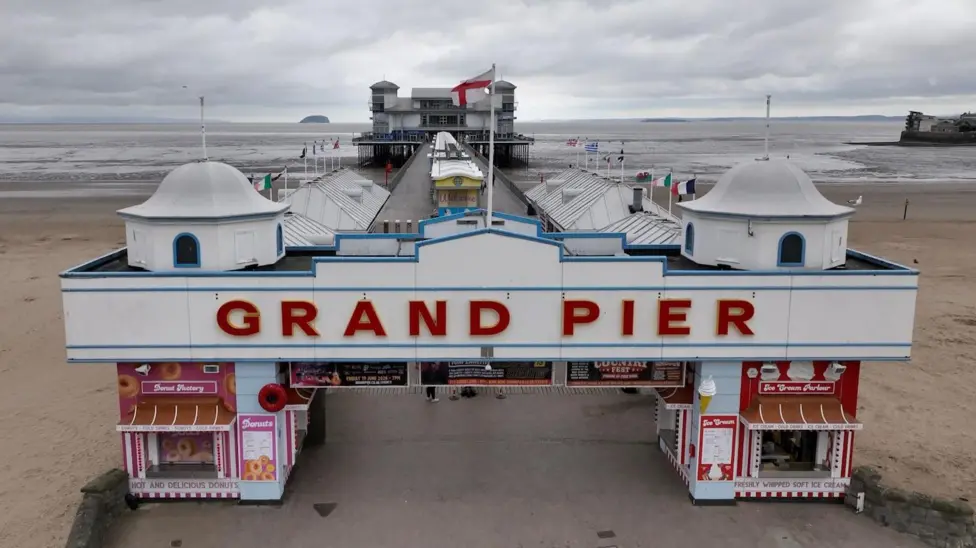
Even traditionally popular sites are feeling the strain. The Grand Pier in Weston-super-Mare, known for its value-for-money entertainment, saw Easter visitor numbers decline by 6%. Michelle Michael, the pier's boss, noted a general caution among people regarding spending, affecting the wider resort and town.
Similarly, The Bishop's Palace at Wells, a historic 13th-century site, experienced a 10% drop in Easter attendance compared to 2025. While visitors are still arriving, their numbers are notably smaller, according to CEO Merryn Kidd. In response, The Bishop's Palace experimented with a free admission day, attracting over 5,000 visitors and demonstrating public interest despite cost barriers.
In the Forest of Dean, the Dean Heritage Centre implemented a more radical strategy, abolishing admission fees entirely to encourage visits. Marketing officer Abbie Stewart reported queues upon reopening, with families drawn by new attractions like a Gruffalo Trail. Patrons have, on average, donated £5 per family and increased spending in the cafe, a model that Forest of Dean Tourism chair Mark Terry-Lush praised as an "innovative" response to the economic climate.
Industry leaders are now urging the government to consider a temporary reduction in VAT for tourism and hospitality, echoing measures implemented during the COVID-19 pandemic, to provide crucial support for businesses facing sustained economic pressure.