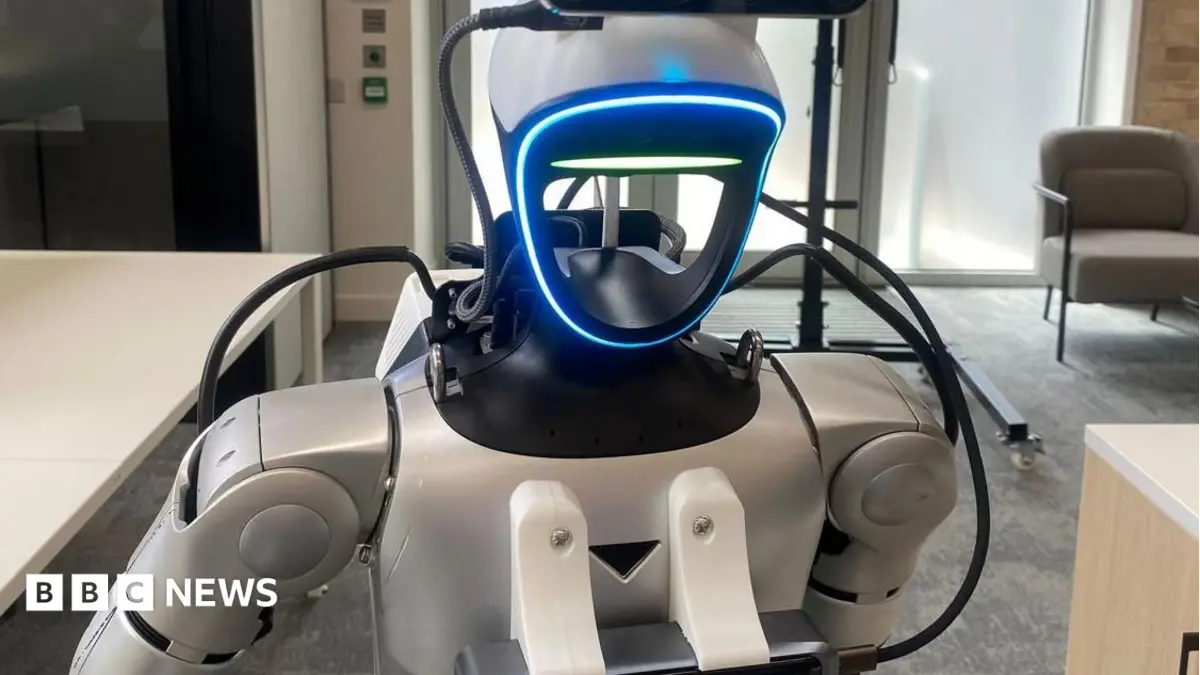
Sophisticated Virtual Worlds Train Robots to Navigate Real-World Environments
Developers are increasingly relying on sophisticated virtual environments to train robotic systems, reducing the considerable costs and logistical challenges associated with physical prototyping. These digital sandboxes allow robots to learn intricate tasks and adapt to varied conditions, crucial for deployment in dynamic environments such as warehouses, factories, and even domestic settings.
Traditional robot training often demands extensive physical testing, which can be time-consuming and prohibitively expensive. Virtual simulation offers a practical alternative, providing a controlled yet realistic space for robots to perform millions of iterations of a task. This process allows developers to refine algorithms and test hardware configurations digitally, identifying and rectifying potential failures before any physical construction.
Companies are now investing heavily in these virtual training grounds. These platforms simulate physics, lighting, and object interactions with increasing accuracy, providing a rich data stream for machine learning algorithms. This approach accelerates development cycles and enhances the reliability of autonomous systems, moving closer to widespread integration of robots into daily life and industrial operations. The focus remains on generating sufficient, high-quality data from these simulations to bridge the gap between virtual proficiency and effective real-world performance.