Tasmanian Government Apologises for Decades of Secretly Stolen Body Parts
The Tasmanian government has formally apologised for a decades-long practice involving the illicit collection and exhibition of human remains. Autopsy specimens were secretly retained and, in some instances, publicly displayed at a university museum without the consent of deceased individuals' families or coroners.
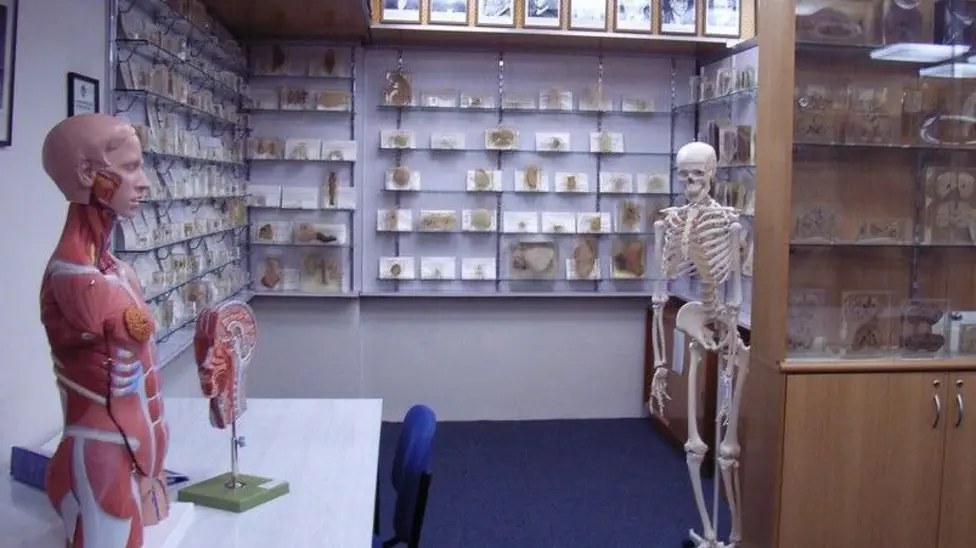
An investigation initiated in April 2023 concluded last September, uncovering that pathologists may have actively sourced 177 human specimens from coronial autopsies between 1966 and 1991. These samples were then transferred to the University of Tasmania RA Rodda Museum in Hobart, circumventing appropriate approvals.
On Tuesday, Health Minister Bridget Archer addressed parliament, with several affected family members present, expressing profound regret for the "enduring distress, anger, pain, grief and trauma." Archer emphasised, "It's important to remember that these were not just body parts or specimens or human remains. They were people."
Cheryl Springfield, whose 14-year-old brother David Maher died in 1976, described the revelation as "absolutely a nightmare." John Santi, whose 19-year-old brother Tony died in the same year, stated, "We buried him 50 years ago, only to find out 50 years later that these people had stolen his brain."
Coroner Simon Cooper's inquiry identified Dr. Royal Cummings, now deceased, as the primary source of coronial specimens for the museum, though his predecessors and successors also engaged in similar practices. Concerns regarding the museum's collection were initially raised in 2016. All 177 contested specimens, which included organs and tissue samples, were removed from display in 2018.
Professor Graeme Zosky, Deputy Vice-Chancellor for Health at the University of Tasmania, acknowledged the institution's role shortly after the government's apology, stating, "While we recognise an apology cannot fix the hurt and distress families have felt, we are sorry."