Three North West Chip Shops Pass Off Cheaper Catfish as Cod and Haddock After DNA Tests
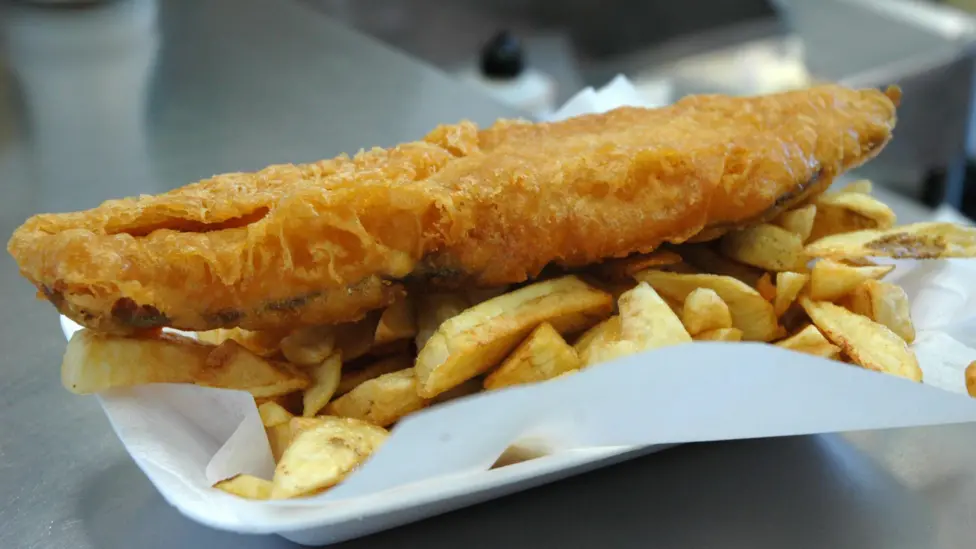
An investigation in the North West of England has uncovered instances of chip shops selling catfish, specifically pangasius or river cobbler, under the guise of traditional fish and chips. This practice allows businesses to significantly reduce costs, as catfish wholesale is approximately £3.40 per kilogram, compared to £15 per kilogram for cod or haddock.
The inquiry, prompted by a Liverpool chip shop owner highlighting the dishonest practice, involved DNA testing of samples from ten businesses in Liverpool and Manchester. Three of the ten takeaways visited, all of which had either listed cod or just “fish” on their menus, were found to be selling pangasius after analysis at Liverpool John Moores University. The portions of catfish were sold for prices ranging from £3.80 to £5, comparable to genuine cod or haddock servings priced between £4 and £6.
Professor Stefano Mariani, who oversaw the DNA tests, noted that detecting the substitution is challenging for the general public due to the difficulty in distinguishing fish fillets. While the consumption of catfish poses no health risk, the primary concern centres on consumer deception and the misdescription of food products.
Trading Standards Institute officials acknowledge that while fish mis-selling is not considered widespread, unscrupulous businesses do operate. The responsibility for investigating such cases typically falls to local authorities or the Food Standards Agency. However, many North West councils reported no awareness of fish fraud or no active investigations.
Industry figures, such as Andrew Cook, president of the National Federation of Fish Friers, emphasise the importance of transparency, urging chip shops to clearly label the species of fish on offer to maintain public trust.