Trump Denounces Iranian Reports on Proposed Ceasefire Deal as Fabricated Terms
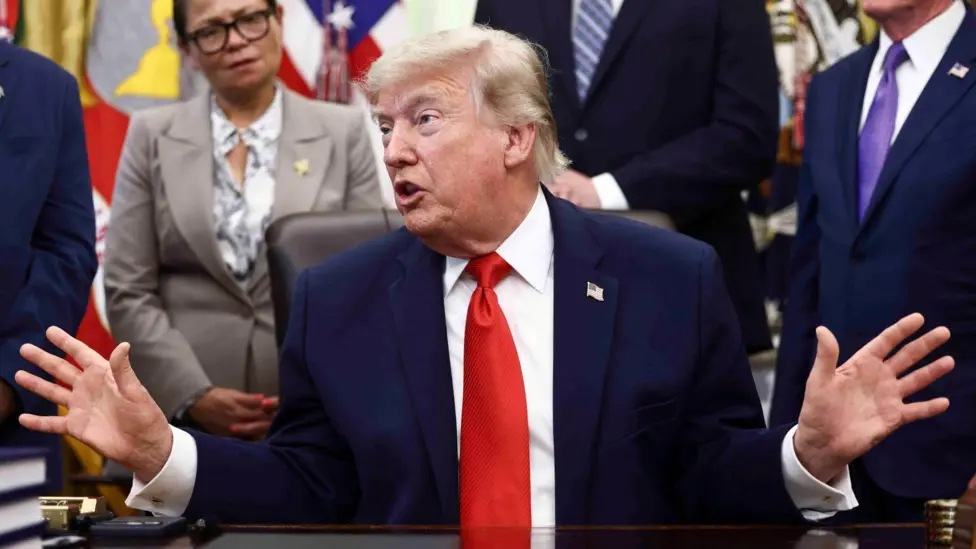
US President Donald Trump has vehemently rejected reports in Iranian media detailing a proposed agreement to end the ongoing conflict, labelling them as entirely false. Trump stated that the purported terms had “nothing to do with the terms that were agreed to” and “bears no relation to the truth.” He further characterised Iranian negotiators as “very dishonorable people” who should “get their act together, and FAST!”
The Iranian reports had circulated details that closely aligned with Tehran's public demands, many of which the US has consistently rejected. Conversely, US officials had also outlined terms that Iran has previously dismissed.
Iranian Foreign Minister Seyed Abbas Araghchi previously suggested a deal had “never been closer,” cautioning media against “speculation about its content.” Trump himself has frequently touted the potential for a resolution to the conflict, which began on 28 February with extensive US and Israeli strikes across Iran. Iran responded with attacks on Israel and Gulf states, simultaneously impeding passage through the Strait of Hormuz, a critical conduit for global oil and liquefied natural gas shipments.
Despite an April ceasefire, intermittent exchanges of fire have persisted, including two recent rounds of retaliatory strikes. On Thursday, Trump threatened further attacks before announcing a “great settlement” had been reached with Iran, expected to be signed imminently. This prompted Iran to describe reports of an agreement as “speculative,” insisting “nothing had been finalised.”
Friday's Iranian media reports cited terms including the lifting of a US naval blockade and “at least £300bn” in reparations for damage inflicted by US and Israeli actions. Israel remains outside these talks, which are predominantly mediated by Pakistan, aiming to extend the ceasefire and commence negotiations on broader issues such as Iran's nuclear programme. Western nations have long accused Iran of pursuing nuclear weaponry, a claim Tehran denies, asserting its programme is for peaceful energy and research purposes.
Iran's Mehr news agency, which published the alleged deal contents, indicated Iran sought a final agreement endorsed by a UN Security Council resolution. It specified that “the final agreement shall be limited to issues concerning the future of enriched materials and enrichment activities, sanctions relief, and the programme for rebuilding Iran's economy.” Furthermore, it stated that “final negotiations shall not begin until half of Iran's frozen assets have been released, Iranian oil sanctions have been suspended, and the naval blockade has been lifted.” These demands included the cessation of the Israeli conflict with Hezbollah in Lebanon.
In contrast, a senior US administrative official reportedly stated that any deal would necessitate the destruction and removal of Iranian nuclear material and the dismantling of its nuclear programme. The official maintained that no Iranian funds would be released until US demands were met, the Strait of Hormuz fully reopened, and Iran ceased funding what the US terms “terrorist groups” such as Hezbollah. US Vice-President JD Vance later reiterated this, stressing that “Iranians are not receiving any cash, and no funds are being released for simply signing a deal or attending a meeting,” adding that the deal “is structured to ensure that the US and its allies concerns are prioritized.”