UK Government Downplays Fuel Supply Concerns Amidst Middle East Tensions
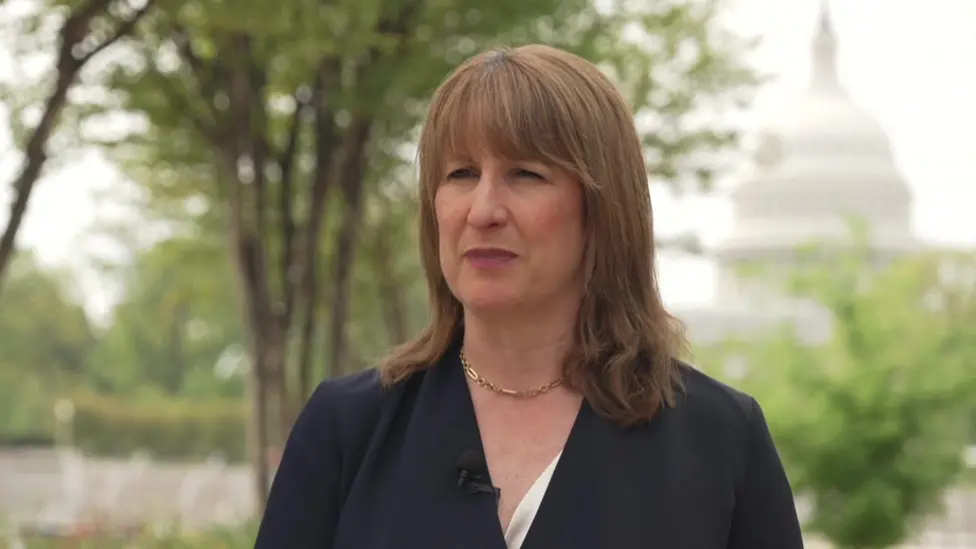
Chancellor Rachel Reeves has stated that the UK is not confronting an immediate shortage of petrol, diesel, or jet fuel, even as global energy prices climb due to escalating tensions in the Middle East. Speaking from Washington at the conclusion of the International Monetary Fund (IMF) meeting, Reeves maintained that the UK currently has “no issues with supply”.
Her comments follow an IMF recommendation for nations to consider demand management strategies, such as subsidising public transport or encouraging remote work, to mitigate the energy crisis. The International Energy Agency, for its part, recently highlighted that Europe holds only six weeks' worth of jet fuel before potential shortages and flight cancellations could emerge.
Reeves indicated that the government would soon announce adjustments to energy policy, including measures concerning drilling in the North Sea and reforming the problematic link between gas and electricity prices. She noted that current electricity prices are often dictated by gas costs, irrespective of the stable production expenses for other generation methods.
“We do need to delink gas and electricity prices,” Reeves stated, confirming that she and Energy Secretary Ed Miliband would soon detail plans for further exploitation of North Sea resources through “tie-backs”—a method allowing new discoveries to utilise existing infrastructure.
While recent data indicated a 0.5% growth in the UK economy for February, alongside an upward revision for January, these figures predate the most recent escalation of the US-Israel war with Iran, which has exerted upward pressure on global energy markets. The IMF recently downgraded its forecast for UK growth this year from 1.3% to a more pessimistic 0.8%, anticipating the UK to be among the advanced economies most affected by the conflict.