UK Government Embraces Chinese Car Imports Amidst Domestic Production Concerns
Government Welcomes Chinese Influx Despite Industry Concerns
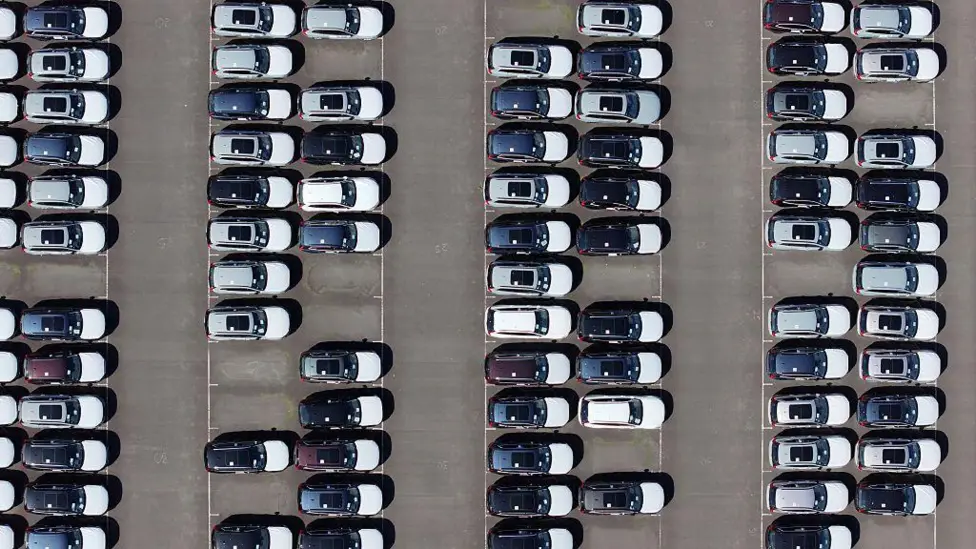
The UK government maintains a relaxed stance on the escalating volume of Chinese car imports, asserting that the nation 'should not fear' this rise. Business Secretary Peter Kyle emphasised the importance of consumer choice and expressed openness to Chinese car manufacturers establishing factories in the UK, drawing parallels with Japanese investment in the 1990s. This position comes as Chinese-owned brands now account for approximately 15% of new car sales in the UK, a significant increase from 1.3% five years ago, with the Jaecoo 7 recently topping UK car sales figures.
However, this approach is not without its critics. Shadow business secretary Andrew Griffith MP attributed the decline in British car production, which has halved over the last decade, to government regulations promoting a shift away from petrol and diesel vehicles, leading to increased EV imports. Reform UK's Robert Jenrick went further, advocating for tariffs and quotas to protect British jobs against 'unfair Chinese competition', echoing measures already implemented by the EU and the US.
The Future of UK Car Manufacturing and Economic Resilience
Against this backdrop, the future of the British car industry is seen as intrinsically linked to significant investments like the new £5bn Agratas electric vehicle battery gigafactory in Somerset. This facility, backed by India's Tata Group and supported by a £380m government grant, is poised to become the UK's largest gigafactory, supplying Jaguar Land Rover's electric fleet. Industry experts, such as Mike Hawes from the Society of Motor Manufacturers and Traders (SMMT), highlight that the success of Chinese imports is due to their competitive pricing, advanced technology, and build quality, underscoring the need for the UK to compete effectively.
The Agratas plant is crucial not only for domestic manufacturing but also for ensuring the UK's economic resilience in a rapidly evolving geopolitical landscape. While the UK is embracing foreign investment and expertise, it aims to remain at the forefront of battery technology and secure its position in the global electric vehicle market, even as other G7 nations adopt more protectionist measures against Chinese imports. The government views this openness as an advantage, enabling the UK to engage with the world's largest car exporter as its influence continues to grow.