Artemis II Imagery: Scientific Breakthrough or Public Engagement?
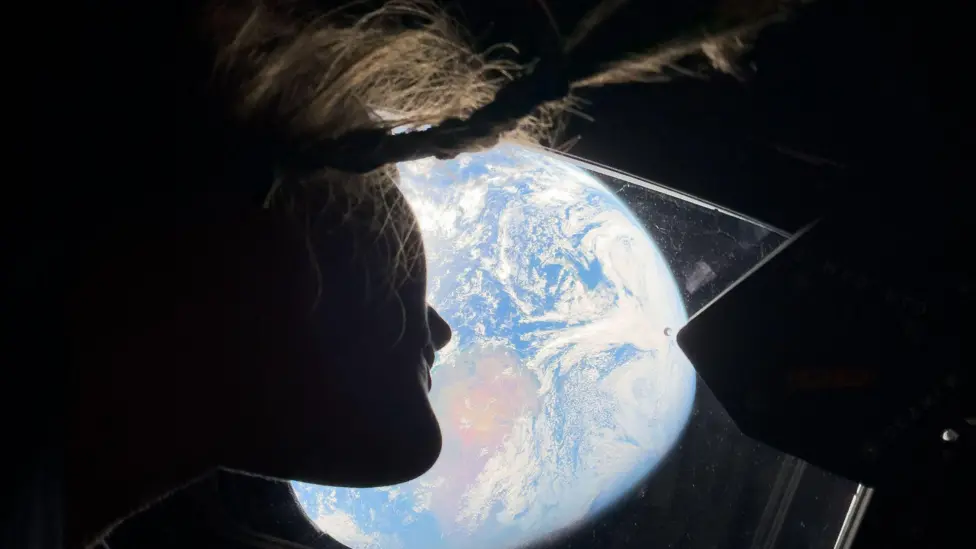
NASA’s Artemis II mission is generating considerable public engagement with a steady stream of stunning, high-definition images of the Moon and Earth, shared by its four astronauts. These photographs, attracting millions of likes on social media, offer unique perspectives of our planet and its natural satellite.
Scientific Merit Under Scrutiny
Despite the undeniable drama of the mission, which sees humans venturing further from Earth since 1972, the scientific value of these images is being debated. Professor Chris Lintott, an astrophysicist at the University of Oxford, suggests the primary value is “artistic, not scientific.” He notes that robotic explorers have extensively mapped the Moon’s far side since the Apollo programme, with recent missions from India and China providing detailed imagery and even samples.
NASA, however, emphasises the unique observational capabilities of human eyes and brains, suggesting they can “uncover new discoveries and a more nuanced appreciation for the features on the surface of the Moon.” The agency highlights images like the Orientale basin, claiming it's the “first time the entire basin has been seen with human eyes.”
Beyond Science: Public and Political Imperatives
While the mission utilises advanced digital cameras, including standard Nikon D5s, GoPros, and smartphones, the emphasis appears to be on generating public support. NASA is live-streaming the ten-day journey, with astronauts providing regular updates. This engagement is crucial for securing public backing for the mission and affirming American leadership in the ongoing space race, particularly against China. The success of Artemis II also serves to bolster NASA’s standing amidst increased competition from private space operators.
The current imagery, though beautiful, may not offer new scientific data that robotic missions haven't already provided or couldn't obtain more systematically. As Professor Lintott states, “Unless something very unusual happens, there will be nothing for the [Artemis] astronauts to discover.” Ultimately, the pictures serve as a powerful tool for public outreach and political messaging, reminiscent of the iconic ‘Earthrise’ photograph from 1968, which profoundly resonated globally.