Europe Reconsiders Nuclear Power Amidst Energy Crisis
A fresh energy crisis, marked by surging gas prices and higher petrol costs, has reignited discussions across Europe regarding energy independence. With geopolitical tensions in the Middle East threatening further instability, the continent is once again grappling with its reliance on imported fossil fuels.
The Shift Towards Nuclear
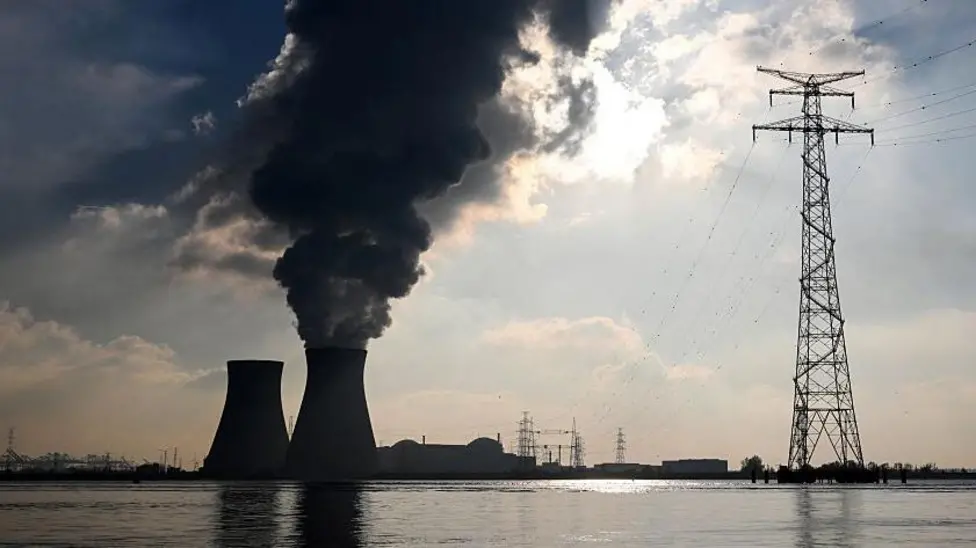
European Commission chief Ursula von der Leyen recently described Europe’s past move away from nuclear power as a “strategic mistake.” In 1990, nuclear energy generated approximately a third of Europe's electricity, a figure that has now fallen to an average of 15%. This decline has left Europe “completely dependent on expensive and volatile imports,” she stated, putting the continent at a disadvantage.
The disparity is evident in electricity prices. France, which derives about 65% of its electricity from nuclear power, boasts significantly lower future electricity costs compared to Germany. Germany notably phased out nuclear power after the 2011 Fukushima disaster, rendering its energy-intensive industries heavily reliant on gas.
Challenges and Opportunities
While enthusiasm for nuclear power is growing, particularly with calls for national resilience and energy security, it is not a rapid remedy. Building new reactors can incur substantial delays and costs, as exemplified by projects in France and the UK. Concerns surrounding waste management and public safety also persist.
Critics warn that significant investment in nuclear energy could divert resources and attention from accelerating the development of renewable energy sources. Furthermore, several Central European nations, including Hungary and Slovakia, remain dependent on Russian nuclear technology and uranium, posing an additional strategic risk.
The Promise of Small Modular Reactors (SMRs)
In response to these challenges, the European Commission is actively promoting Small Modular Reactors (SMRs). These are envisioned as more cost-effective and efficient sources of nuclear power, suitable for mass production and meeting specific energy demands such as AI data centres and hydrogen production. A €330m EU investment package has been unveiled to support SMR development, with a target for deployment by the early 2030s. However, SMRs are currently unproven at a commercial scale, with no construction licences yet granted within the EU.
Ultimately, European governments view nuclear power as a crucial component of their medium to long-term energy strategy, aiming to reduce vulnerability to global market fluctuations and geopolitical pressures.