UK and Allies Consider Sanctions to Reopen Strait of Hormuz Amidst Global Economic Threats
The United Kingdom and a coalition of over 40 international partners have agreed to investigate the application of sanctions to pressure Iran into reopening the Strait of Hormuz. Foreign Secretary Yvette Cooper confirmed the outcome of a virtual summit, which aimed to establish a united front to ensure security within the critical Gulf shipping channel.
Cooper stated that Iran has exploited the international shipping route to effectively “hold the global economy hostage.” The talks, notably excluding the United States, focused on diplomatic and economic strategies rather than military intervention. The participating nations are committed to utilising “every possible diplomatic, economic and coordinated measure” to restore access to the Strait.
Measures under consideration include heightened pressure through the United Nations, exploring sanction possibilities to “bear down on Iran if the Strait remains closed,” and collaboration with the International Maritime Organisation to facilitate the movement of stranded vessels.
“Iran’s closure of the Strait of Hormuz is a direct threat to global prosperity,” Cooper asserted, highlighting its crucial role in trade routes for Gulf nations, energy exports to Asia, and fertiliser supplies for African agriculture. She added, “Iran is trying to hold the global economy hostage in the Strait of Hormuz. They must not prevail.”
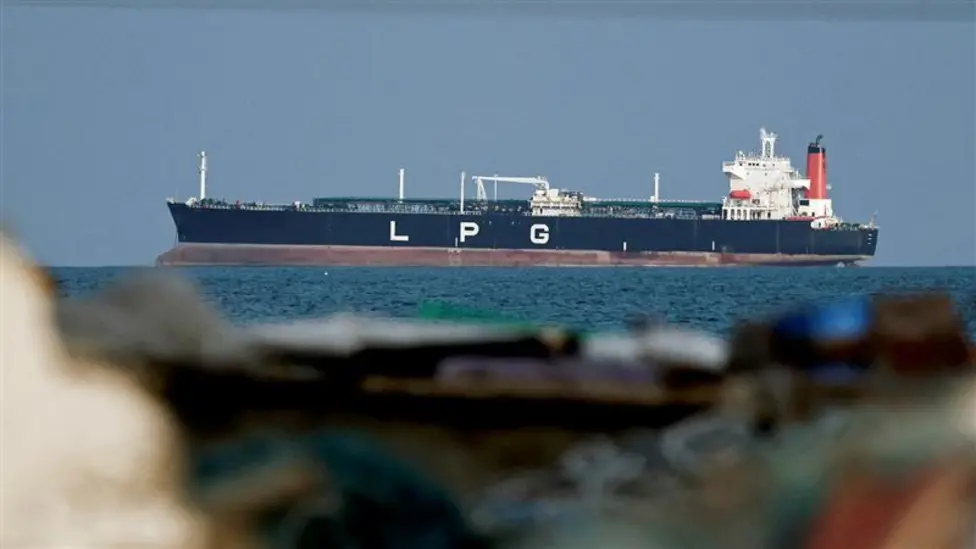
This initiative follows numerous retaliatory attacks by Iran on vessels, prompted by the ongoing conflict with the US and Israel, which have severely disrupted energy exports and caused a significant surge in global fuel prices. Approximately a fifth of the world’s oil and gas transits through the Strait of Hormuz, with Brent crude prices recently escalating from $73 to over $100 a barrel.
While the US President Donald Trump urged other nations to “build up some delayed courage” and reopen the route, French President Emmanuel Macron deemed military force “unrealistic,” advocating for a ceasefire and renewed negotiations with Iran. Downing Street has not published a full list of attendees, but it is understood to include nations that previously called for an end to Iranian attacks on commercial shipping, such as France, Germany, Japan, and Australia.