Race to Find US Invader in Iran Continues
A critical search-and-rescue mission is unfolding deep within Iran following the downing of a US F-15 fighter aircraft. While early accounts suggest one pilot has been rescued, efforts are intensely focused on locating a second crew member, an operation described as 'massively dangerous'.
The Nature of Combat Search and Rescue
Combat search and rescue (CSAR) missions represent some of the most intricate and time-sensitive operations undertaken by military forces. Unlike standard search and rescue efforts, CSAR takes place in hostile or contested environments, often requiring specialist teams to penetrate enemy territory.
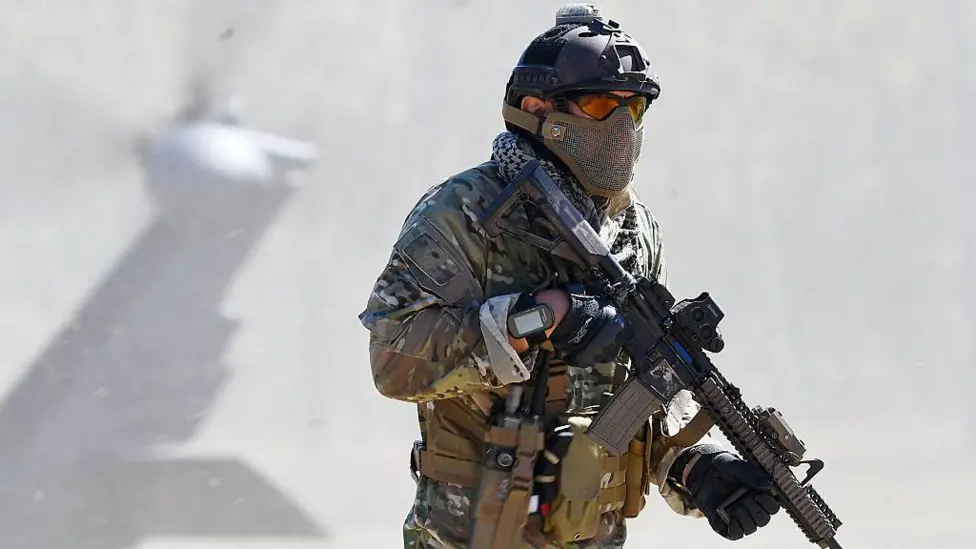
The US Air Force’s elite pararescue jumpers, known for their rigorous two-year training, are at the forefront of such missions. These highly skilled personnel are adept as both combatants and paramedics, ready to jump from aircraft, administer medical aid, evade enemy forces, and facilitate extraction. Their motto, 'These Things We Do, That Others May Live', underscores their commitment to ensuring no service member is left behind.
Operational Challenges and Historical Context
The urgency of CSAR operations is paramount, as Iranian forces will simultaneously be attempting to locate the same personnel. A former commander of a para-rescue jumpers squadron highlighted that an operation like the one in Iran would involve at least 24 para-rescue jumpers, utilising Black Hawk helicopters and prepared for airborne insertion.