Marmalade labelling set for change under new UK-EU food agreement
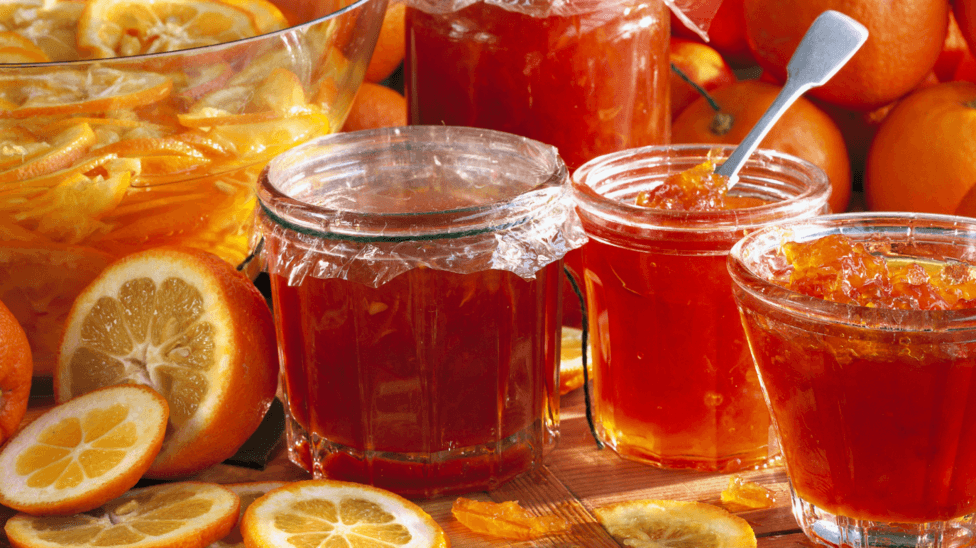
Jars of a quintessential British preserve, marmalade, are set to undergo a labelling change under the UK government's proposed EU food deal. Under the new agreement, which seeks to boost trade and reduce administrative burdens for British exporters, jars of the breakfast staple may need to be sold as "citrus marmalade".
This shift stems from updated Brussels regulations that widen the legal definition of marmalade across Europe for the first time. Previously, decades-old European rules, incorporated into UK law before Brexit, mandated that only preserves made from citrus fruits could be labelled as "marmalade". Other fruit spreads were designated as "jam".
Impact on British Producers and Consumers
While a UK government spokesperson has affirmed that "British marmalade is not changing" in terms of its product, the relabelling is a direct consequence of aligning with new international standards. The updated rules, already slated for Northern Ireland under the Windsor Framework, are now proposed to extend to England, Wales, and Scotland as part of a wider food agreement encompassing 76 updated EU food-related laws.
The extent to which consumers will observe a difference on shop shelves remains to be seen, as product descriptions including the name of a specific citrus fruit, such as "lemon marmalade", will still be permitted. However, some manufacturers have already begun to alter their labels to comply.
The prestigious World Marmalade Awards at Dalemain Mansion in Cumbria has indicated it will continue to exclusively recognise citrus-based spreads, irrespective of these new labelling regulations, upholding what it terms the "rock solid British standard marmalade" tradition.