UK Government Long-Term Borrowing Costs Reach 1998 High Before October Budget
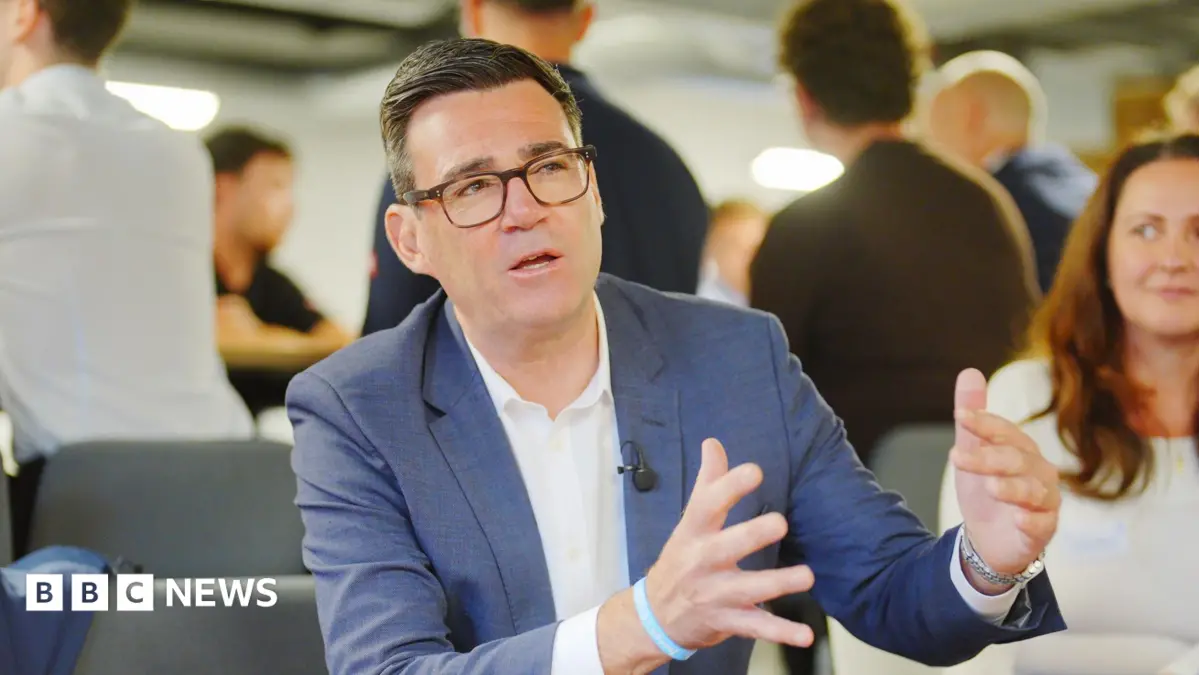
The cost for the UK government to borrow money over the long term has escalated to its highest point since 1998, a development that will increase scrutiny on Chancellor Andy Burnham as his first Budget approaches this October.
Data released on Friday indicated the yield on 30-year UK government bonds, known as gilts, rose to 5.10%. This figure surpasses the peak observed during the financial instability of late 2022, which saw significant market turmoil following previous fiscal announcements. Rising gilt yields reflect increased investor caution regarding government debt, effectively raising the price of borrowing for the Exchequer.
Financial analysts attribute this rise to persistent inflation figures and the Bank of England's sustained hawkish monetary policy. Further, market participants are now pricing in a greater likelihood of a substantial interest rate hike by the Bank of England at its next Monetary Policy Committee meeting. This creates a challenging economic environment for the Chancellor, who must balance fiscal commitments with the escalating cost of servicing national debt. The situation underscores the continued fragility of the UK's economic position and the implications for public spending and taxation in the forthcoming Budget.