UK Government Prepares for Potential Food Shortages Amidst Iran Conflict Escalation
Government officials have modelled a worst-case scenario where the continued closure of the Strait of Hormuz, following the US and Israel's wide-ranging strikes on Iran, could lead to disruptions in the UK's domestic carbon dioxide supply. This vital gas is used in the slaughter of certain animals, such as chicken and pork, and in food preservation, potentially leading to shortages of these staple items by the summer.
A government source confirmed the contingency planning but emphasised it does not predict an imminent lack of food supplies. Business Secretary Peter Kyle stated that carbon dioxide availability is not a current concern for the British economy, advising the public to continue as normal.
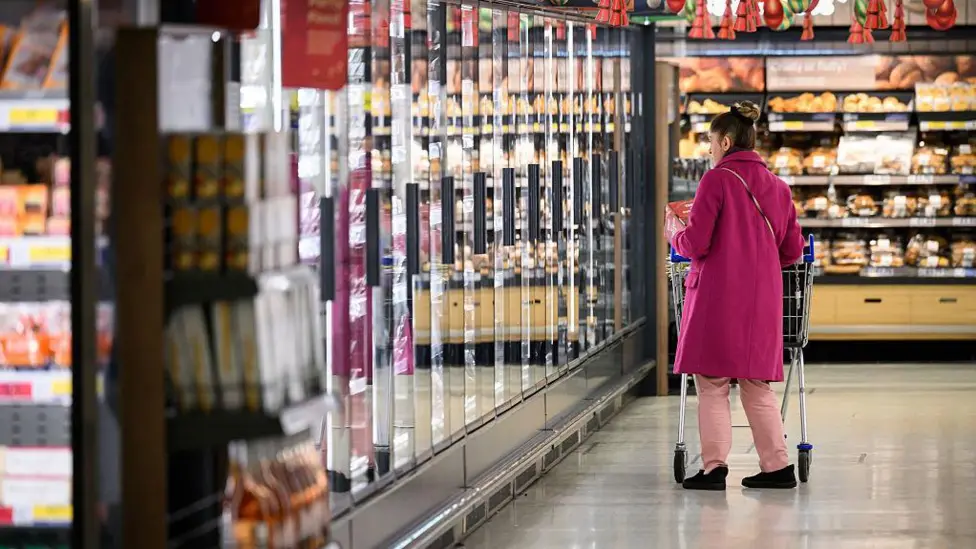
Similarly, the chief executive of Tesco, Ken Murphy, reported no current issues with food availability within the supermarket's supply chain. He noted that no growers, suppliers, or manufacturers had flagged any risks, stating, "We are in very good shape." However, Mr Murphy declined to comment on potential future food price increases, acknowledging the volatile and unpredictable nature of the situation.
Economic Fallout and Fuel Impact
Petrol and diesel prices have significantly increased since the US and Israel initiated strikes on Iran on 28 February, leading to Iran's effective closure of the Strait of Hormuz. This critical global waterway for oil and gas transport has seen its blockade drive up global costs for fuel and fertiliser, both integral to food production.
Last month, the government took steps to bolster the UK's critical carbon dioxide supplies by temporarily reactivating the Ensus bioethanol plant, which had been mothballed in September. This plant produces bioethanol and, as a byproduct, CO2.
The International Monetary Fund recently warned that the ongoing conflict could plunge the global economy into recession, with the UK projected to be among the hardest hit advanced economies. The National Farmers Union has also indicated potential price increases for cucumbers and tomatoes in the coming weeks, with other crops and milk possibly rising in cost over the next three to six months.
US President Donald Trump has suggested that talks aimed at de-escalating the conflict could resume this week, following a collapse in negotiations and subsequent US blockades of Iranian ports. Chancellor Rachel Reeves previously stated that the US made a "mistake" by ending diplomatic negotiations and engaging in military conflict with Iran.