UK Local Elections Set to Reshape Political Landscape, Labour Faces Significant Losses
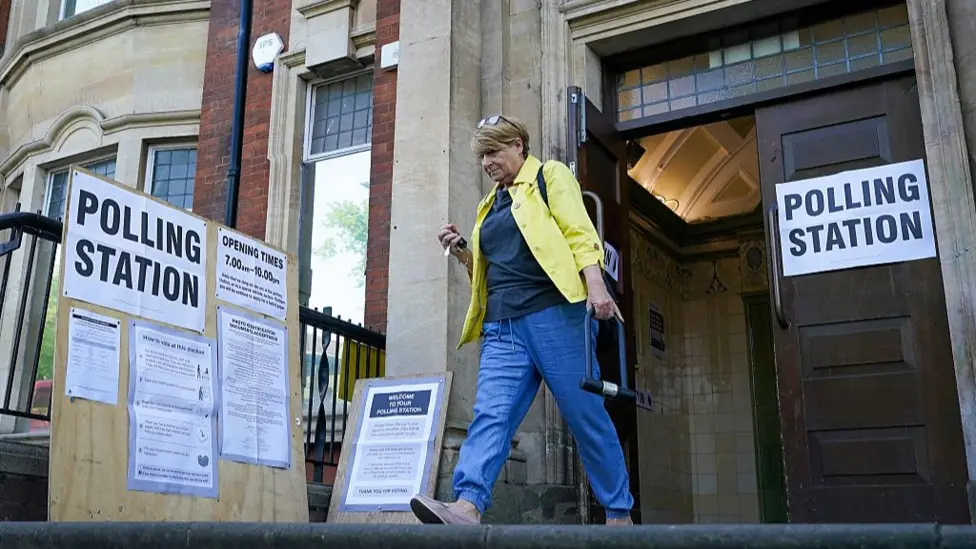
Elections across Britain this Thursday are expected to reveal a significant fracturing of the national political landscape. These contests will determine local governance, budgetary allocations, and the political trajectories of leaders in town halls, Holyrood, the Senedd, and Westminster.
For decades, British politics has largely revolved around the Labour and Conservative parties. However, the current electoral environment sees a broader spectrum of parties, including the Liberal Democrats, Reform UK, the Green Party, Plaid Cymru, and the Scottish National Party, achieving greater competitiveness in more regions. This trend coincides with both Labour and the Conservatives experiencing a rare period of simultaneous unpopularity.
Professor Sir John Curtice noted that the traditional Conservative-Labour duopoly faces its most substantial challenge since the 1920s. He highlighted that the fundamental assumptions of British politics, regarding the lack of space for parties to the right of the Tories or the left of Labour, have dissolved, making contemporary British politics more fundamentally different than at any time in post-war history.
The current volatility is partly attributed to a breakdown in tribal loyalties, with voters exhibiting an increased willingness to switch allegiances. This shift is compounded by a prevailing sense of economic and social dissatisfaction across the UK, as described by the research group More in Common, which identified a "shattered Britain" where many feel the existing models fail ordinary people.
Labour, in particular, faces a challenging electoral test. In Wales, the party confronts the prospect of losing control for the first time in a century, with Plaid Cymru and Reform UK vying for dominance. In Scotland, the Scottish National Party is projected to secure another victory, capitalising on a notable decline in Labour support. Reform UK anticipates gains in traditional Labour areas within England, such as Barnsley and Sunderland, while the Liberal Democrats target Conservative seats in southern England.
Crucially, independent candidates are expected to make significant inroads, especially in areas with substantial Muslim populations, including parts of Lancashire, Birmingham, and east London. Many of these independents are campaigning on platforms critical of the government’s approach to Gaza and wider Western foreign policy in the Middle East, challenging the established parties directly on issues of international conduct and its domestic implications.
Should Labour endure a multi-faceted defeat from both its left and right, it will intensify internal party discussions regarding the Westminster government’s direction and leadership, potentially leading to questions about Sir Keir Starmer's position.