UK Military Chief Warns Training Cuts Loom Without Defence Spending Increase
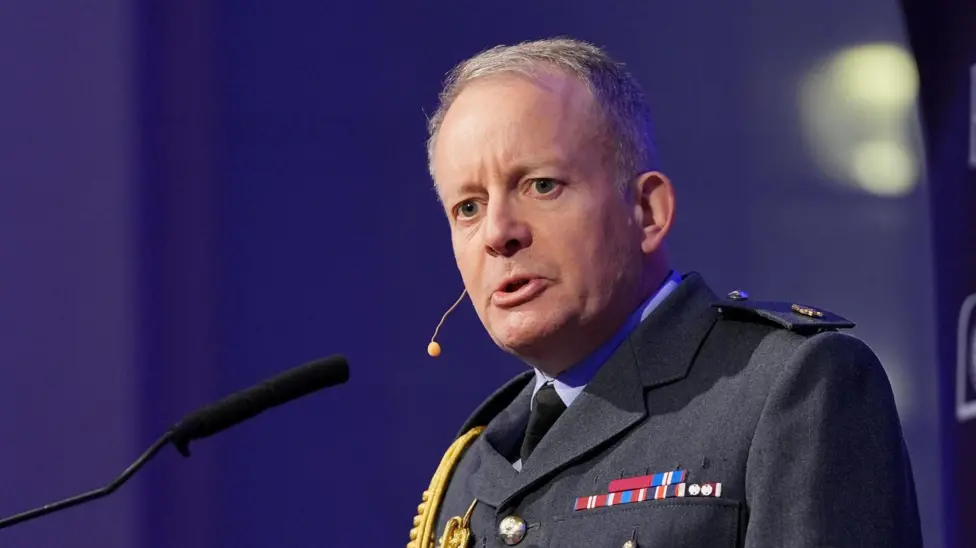
The UK’s chief of the defence staff, Air Chief Marshal Sir Richard Knighton, has issued a stark warning: without an increase in financial allocation beyond current proposals, the armed forces will face compulsory reductions in training and operational activities. Sir Richard stated that the government’s Defence Investment Plan (DIP) lacks sufficient immediate funding for “day-to-day activities,” which are critical for maintaining military readiness.
This statement reinforces concerns raised by former Defence Secretary John Healey, who resigned last week. Healey asserted that the proposed financial settlement “would reduce the readiness of our Forces and increase the risk to personnel on operations.” In a subsequent Commons statement, he argued his resignation was “necessary in securing the future of Britain’s armed forces and our alliances,” criticising Chancellor Rachel Reeves for an “unwillingness” to adequately fund national defence against current threats. Healey underscored that “our adversaries do not follow timetables set by the Treasury.”
The government has pledged to increase defence spending to 3.5% of national income by 2035, aligning with NATO allies. However, the DIP, delayed following Healey’s departure, is reportedly some £18 billion short of military chiefs’ requests, with No 10 and the Treasury offering approximately £10 billion in additional funding over four years. Healey advocates for 3% of GDP on defence by 2030, noting that many NATO members will surpass this figure by then.
Sir Richard Knighton reiterated these concerns to the Lords International Relations and Defence Committee, emphasising the critical nature of “day-to-day activity funding” for operational readiness, exercises, and training. He concluded that without an increased resource departmental expenditure limit, “those areas will come under pressure,” necessitating a “dial back” of activities.
Armed Forces Minister Al Carns also resigned, citing the DIP’s “inadequate” investment and its insufficient focus on drone warfare compared to traditional hardware. Prime Minister Sir Keir, speaking from the G7 summit, stated the government is increasing the defence budget from 2.3% to 2.6% of GDP and has reallocated funds. However, the discussion with the new Defence Secretary, Dan Jarvis, regarding specific spending priorities is ongoing, with no public indication of additional funds being secured.